


The Best Saxophone Reeds for Beginners: What to Choose & Why It Matters
GET STARTED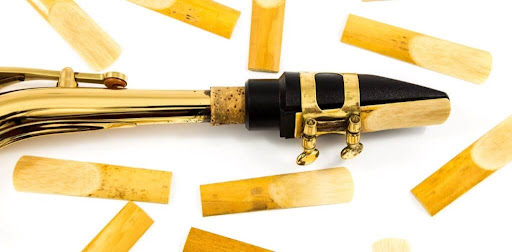
Learning to play the saxophone is an exciting challenge, and whether you’re learning in school or with a private teacher, one small detail can make a big difference: your reed.
In this blog, we’ll break down what reeds do, how to choose the right one, and which brands are best for beginners, so that you can start sounding great right away!
What Is a Saxophone Reed?
A saxophone reed is a thin strip of cane (or sometimes synthetic material) that vibrates to produce sound when you blow into your mouthpiece. Reed cane, which is commonly known as the Giant Reed plant, grows near rivers and streams, and was even planted throughout California by an Italian woodwind musician. It’s now farmed around the world to create quality reeds for saxophones, clarinets, oboes, english horns, and more!

Without the reed, the saxophone won’t make any sound at all—it’s essential to how the instrument works, and choosing the right one can make or break your playing experience.
Each saxophone type (alto, tenor, soprano, and baritone) has its own size of reed, so make sure you’re buying the right one for your instrument. Most beginners start on alto or tenor saxophone – we’ll focus on those here.

Understanding Reed Strength
When shopping for reeds, you’ll notice numbers like 1.5, 2, 2.5, and so on. That number is the reed strength (sometimes called the reed “size”), which refers to how stiff or hard the reed is.
- Lower numbers (1.5, 2) = softer reeds, easier to play, especially for beginners
- Higher numbers (3 and up) = harder reeds, more resistance, better for more advanced players
Most beginners should start with 1.5 or 2.0, depending on their age, breath control, and mouthpiece setup.
Best Reeds by Saxophone Type
For Soprano Saxophone Beginners
- Rico 1.5 or 2.0
- Vandoren Traditional 2.0
For Alto Saxophone Beginners
- Rico 1.5 or 2.0
- Vandoren Traditional 2.0
- Royal by D’Addario 2.0
For Tenor Saxophone Beginners
- Rico 1.5 or 2.0
- Vandoren Traditional 2.0
- Royal by D’Addario 2.0
For Baritone Saxophone Beginners
- Rico 2.0 or 2.5
- Royal by D’Addario 2.0
Best Reed Brands for Beginners
Here are some tried-and-true brands that are perfect for beginners. They’re easy to find, affordable, and consistent in quality!
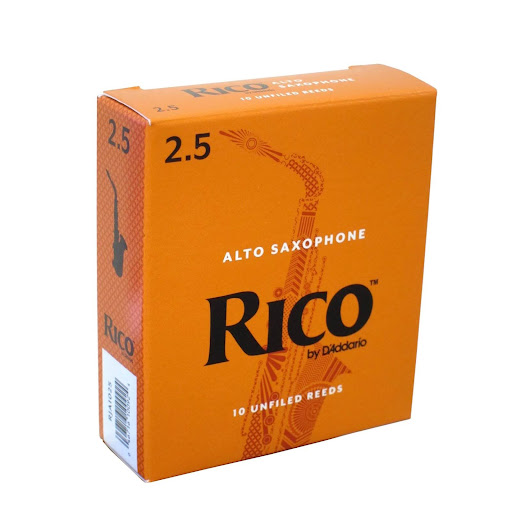
Rico (by D’Addario)
- Strengths: 1.5 to 2.5 for beginners
- Why it’s great: Super easy to play, widely available, great for students
- Notes: Orange box, very popular in school band programs
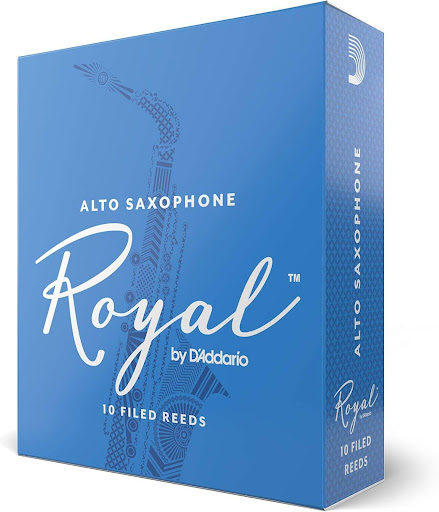
Royal by D’Addario
- Strengths: Start with 2.0
- Why it’s great: Slightly more refined than Rico, but still beginner-friendly
- Notes: Blue box, great step-up reed when you’re improving
Vandoren Traditional
- Strengths: Start with 2.0
- Why it’s great: Durable and offers a more centered sound
- Notes: Slightly firmer than Rico or Juno—may require stronger breath support (how your muscles control the speed of your exhale into the instrument)
Here’s a helpful chart to help compare the differences in reed strength and flexibility:
Try buying a 3-pack or single reeds to test out different brands and strengths before committing to a full box! This is a great way to help figure out what you want your sound to be like (bright, rich, warm, etc) as you learn how to play your instrument.
When to Move Up in Reed Strength
Breath support is the engagement of your core muscles to maintain a steady exhale, while breath control is the management of that exhaled air to create specific musical effects.As your breath support improves and your embouchure (mouth muscles) gets stronger, you may notice that your current reeds feel too easy to blow, or your tone sounds too “thin.” That’s a sign it might be time to level up! Signs you’re ready to move up:
- The reed feels “flimsy” or offer little resistance when playing
- You can play loudly and softly with good tone control
- Your tone is a little too buzzy or unfocused.
Beginner progression usually goes like this: 1.5 → 2.0 → 2.5 Don’t jump from 1.5 to 3.0; it’s a huge leap and could potentially damage your developing embouchure. It’s best to move up strength sizes by half steps to give yourself time to adjust!
How to Care for Your Reeds
Good reed care helps your reeds last longer and play better!
Daily Tips:
- Rotate your reeds: Use 2–4 reeds in rotation so they don’t wear out unevenly.
- Dry them after use: Gently wipe your reed with a clean cloth after playing. This will help avoid mold or mildew.
- Use a reed case: Store reeds flat so they don’t warp. Avoid keeping them on the mouthpiece. Rico even makes a reed vitalizer kit that includes humidity control to prevent warping!
- Don’t play broken reeds: If it’s chipped, cracked, or too soft, toss it.
A beginner saxophone reed can last from a few days to a couple of months, but a good rule of thumb is to replace your reed every 2-4 weeks. Playing time, care and maintenance, and reed quality will all affect your reeds lifespan! If you’re having difficulty playing, poor sound, or if your reed starts to warp on the mouthpiece, it’s time for a new one!
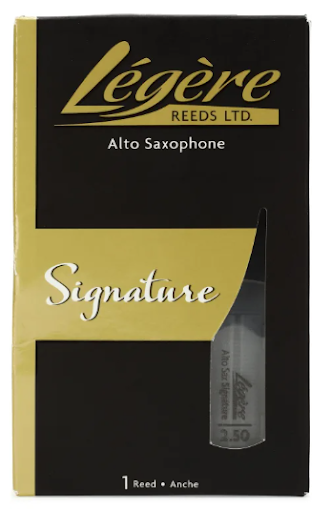
What About Synthetic Reeds?
Synthetic reeds like Legere are becoming more popular—and they can be great! They’re primarily made from composite materials like polypropylene plastic instead of natural cane material.
Pros:
- Last a long time (months instead of days or weeks)
- Don’t need to be moistened
- Very consistent sound
Cons:
- More expensive upfront
- Slightly different feel from cane reeds
- Some players don’t like the tone compared to natural cane
If you’re a beginner, stick with cane reeds at first—synthetic reeds are a great option later, once your tone and technique are more developed!

Final Thoughts
Choosing the right reed can make a huge difference in how easy it is to learn and how confident you feel while playing. As a beginner, you don’t need the most expensive or “pro” reed, just one that’s easy to play, reliable, and helps you sound your best. Once you’ve got a few months of practice under your belt, you can start exploring new brands and strengths. Have fun!
Author: Marisa E. Cardin
Marisa E. Cardin is the Assistant Manager of Neighborhood Music in Aurora, Colorado. She graduated with a Bachelor of Arts in Creative Writing from Metropolitan State University of Denver, Colorado in 2019. She is published in various magazines and chapbooks, including The Flagler Review and Perfume River Poetry. Most recently, she completed and published her sci-fi trilogy, Jax Cassaway and The Shadow Runners, in 2025. When she isn’t writing, she can be found jamming on her alto saxophone or cuddling her four cats. She currently lives in Aurora, Colorado.