

Piano for ADHD: Can Learning Music Help with Focus?
GET STARTED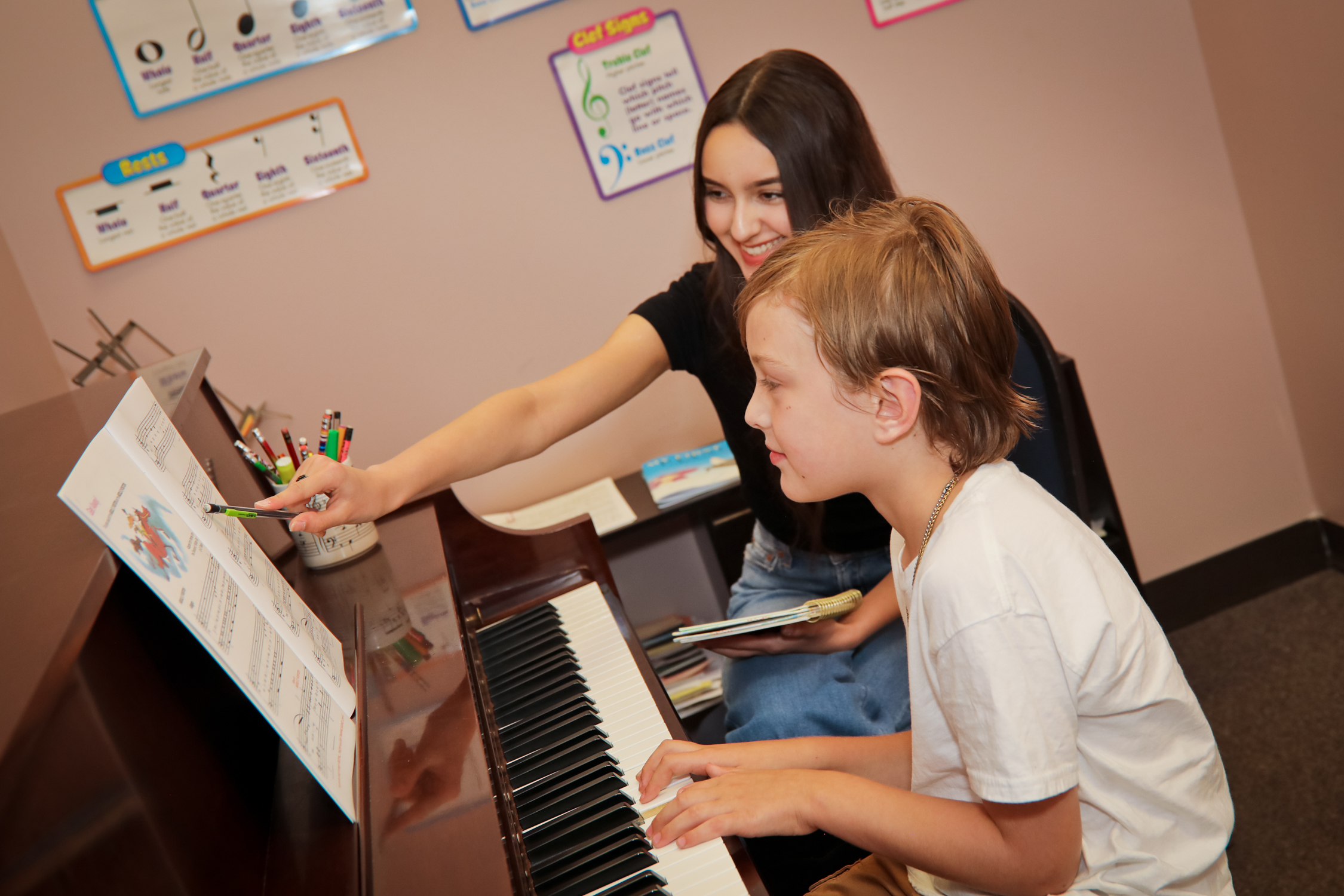
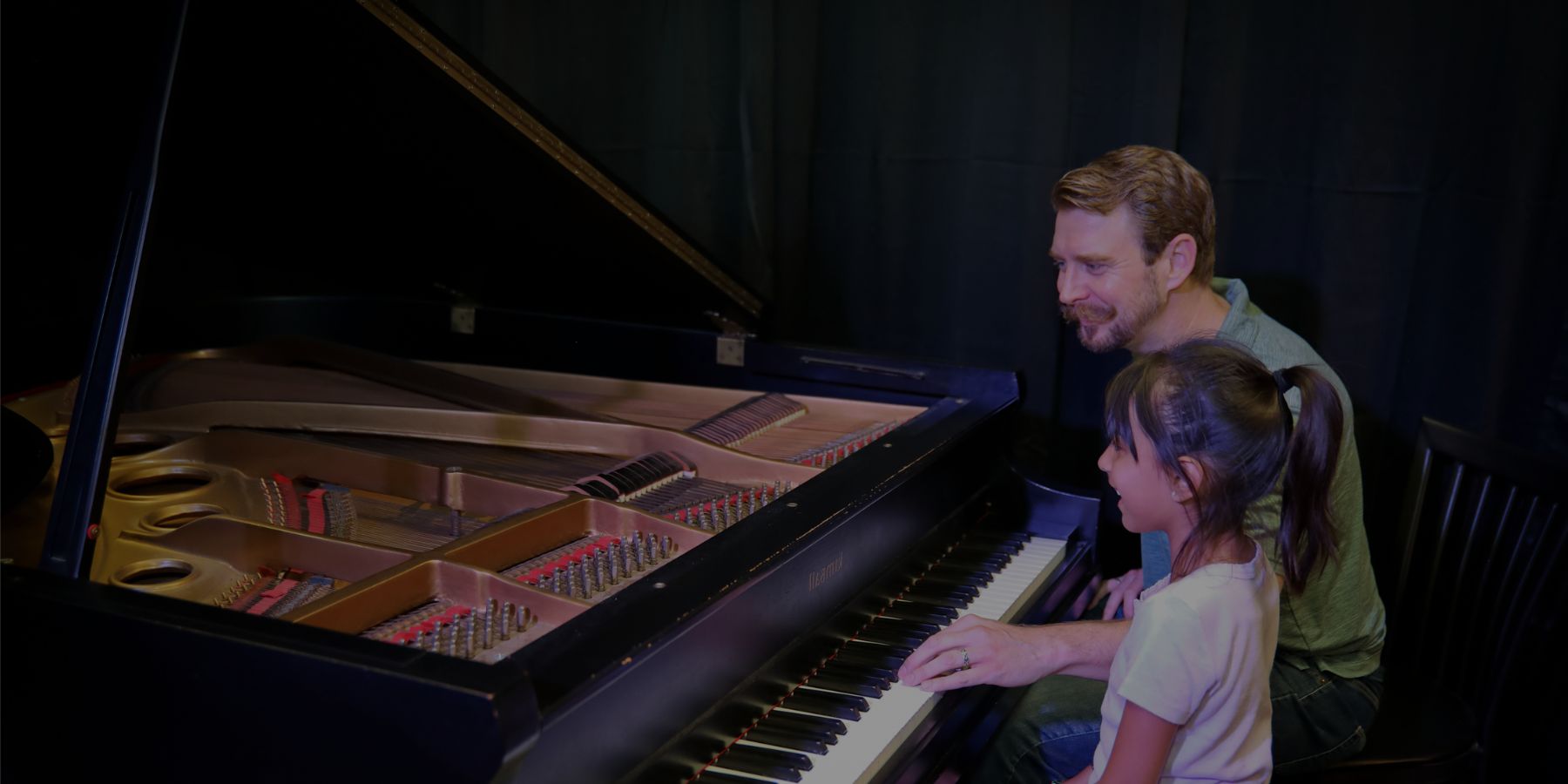
Many parents know that their child can focus intensely on things they enjoy, but struggle with tasks that feel repetitive or uninteresting. While piano lessons aren’t a treatment for ADHD, the combination of active participation, repetition, movement, and achievable musical goals may make learning an instrument a rewarding way to build skills related to focus.
- How Can Piano Lessons Help a Child With ADHD Practice Focus?
- How Learning Music Encourages Focus
- Why Might Piano Be a Good Activity for Students With ADHD?
- When Practice Gets Difficult: How To Support Kids As They Learn
- Can Piano Lessons Help With Executive Function Skills?
- What Do Piano Teachers See When Kids With ADHD Learn Music?
- The Best Piano Practice Routine for Kids With ADHD
- What Parents Are Asking About Piano and ADHD
How Can Piano Lessons Help a Child With ADHD Practice Focus?
Learning and playing the piano require active attention rather than just passive listening; if a student isn’t physically trying to play themselves, they won’t be able to make much progress in their lessons. Piano lessons may help students with ADHD because they’ll regularly practice:
- Listening carefully to rhythm, pitch, and dynamics
- Following written instructions
- Coordinating both hands
- Remembering musical patterns
- Staying with a task long enough to complete it
- Noticing mistakes and trying again
- Breaking a larger song into smaller sections
How Learning Music Encourages Focus
Music is one of the most engaging things that students can do, because they’re actively producing sound and seeing results from their practicing, rather than just receiving information and not applying it to their lessons. Playing an instrument also combines auditory, visual, motor, and cognitive tasks, and some research has even explored relationships between music training, executive function, attention, and cognitive development.
Why Might Piano Be a Good Activity for Students With ADHD?
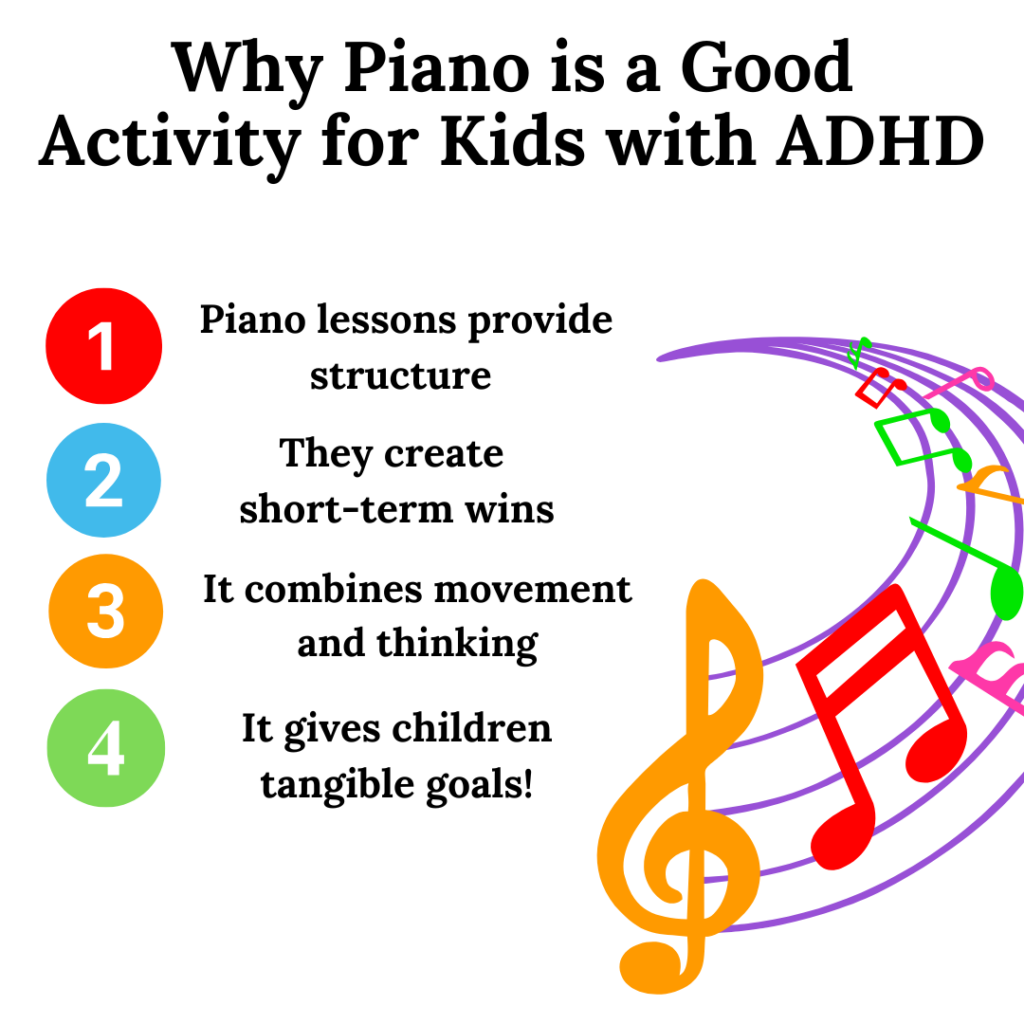
Taking private piano lessons provides numerous benefits, including providing kids with structure, creating short term wins, combining movement and thinking, and giving kids something tangible to look forward to. It also:
1. Provides structure. The weekly lesson and familiar routine gives kids a clear structure, as well as specific musical goals.
2. Creates short-term wins. Things like learning one measure, playing a simple melody, and mastering a rhythm all build towards eventually completing a song!
3. Combines movement and thinking. Because both hands are involved, playing the piano isn’t purely sedentary mental work. Students read, listen, remember, and physically respond to the music they’re learning.
4. Gives children something tangible to work toward. Learning a favorite song or one day performing in a recital are tangible goals that students can work towards!
When Practice Gets Difficult: How To Support Kids As They Learn
There are some common challenges that come along with learning the piano, especially if your student has ADHD. They might have trouble with:
- Sitting still for extended periods
- Remembering to practice
- Becoming frustrated by mistakes
- Losing interest in repetitive exercises
- Getting distracted during practice
- Struggling with long instructions
- Wanting to rush through familiar material
Some practical ways to make practice more manageable include starting with shorter practice sessions, or breaking songs into small sections. Some people with ADHD also find timers to be helpful, because it’s easier to focus for small periods of time than it is for two hours straight! Regardless, remember to celebrate progress instead of perfection. A focused 10-minute practice session can be more productive than forcing a child through a long session when their attention has completely run out.
Can Piano Lessons Help With Executive Function Skills?
There’s a strong connection between learning the piano and practicing skills like sustained attention, following multi-step directions, and setting goals. It can also help teach:
- Working memory
- Sequencing
- Task initiation
- Self-monitoring
- Delayed gratification
Learning to play the piano provides numerous opportunities to practice these skills!
What Do Piano Teachers See When Kids With ADHD Learn Music?
The best piano teacher for a student with ADHD needs to be able to give clear, concise instructions, and offer positive reinforcement throughout their lessons. They also need to be able to adjust the pacing of their lesson if they notice their student losing focus or energy. Connecting lessons back to the child’s existing musical interests, and building on their strengths instead of focusing only on mistakes, is another great way to keep a student with ADHD engaged throughout the lesson!
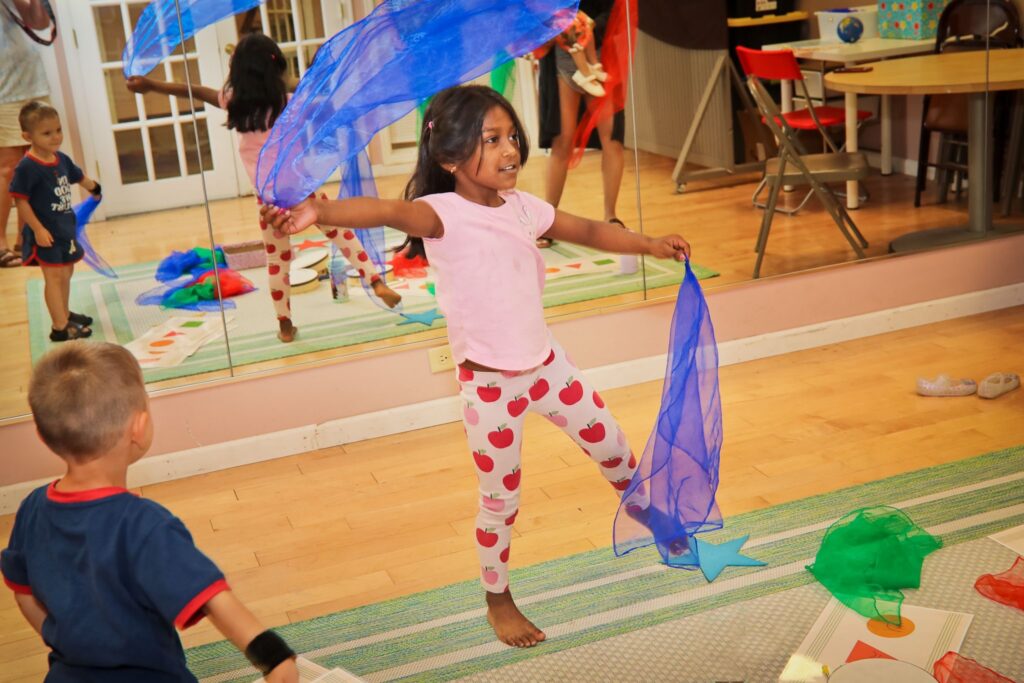
Taylor, who teaches piano at Neighborhood Music in Aurora, Colorado, says that “when students face challenges with their pieces, I encourage them to move around by placing musical letters under colorful stepping stones, allowing them to reveal and play notes in a fun, interactive way,” she says. “Being adaptable and empathetic as a teacher is essential for grasping how my students learn most effectively, which in turn fosters a strong and positive relationship with them.”
The Best Piano Practice Routine for Kids With ADHD
Start with something familiar! Play a song or an exercise that the child already enjoys. Then, choose one small goal. Instead of “practice piano,” ask them to “work on measures 8–12.” That lines out the expectations and goals clearly, without feeling totally overwhelming. You can also try:
- Practicing in short bursts: keeping the session manageable provides more realistic practice goals than trying to practice for hours at a time
- Taking a movement break if needed: a physical reset can help make it easier to return to the piano!
- Ending with success: finish off the practice session by playing through something the student already knows, to help build confidence and keep them excited!
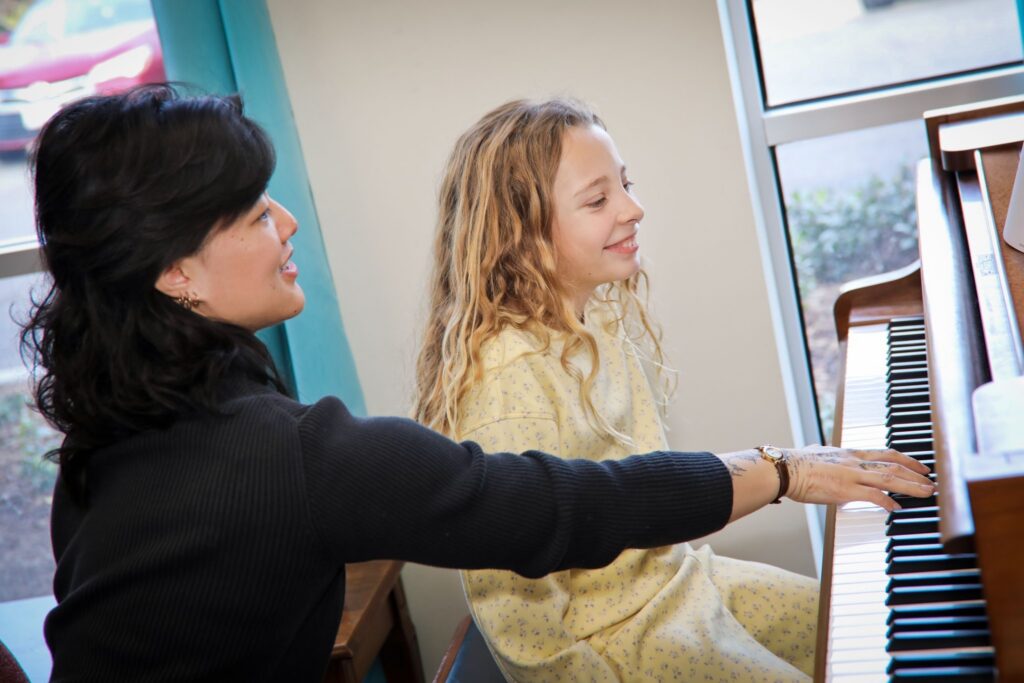
Remember, piano lessons aren’t a replacement for ADHD evaluation, treatment, medication, behavioral strategies, school accommodations, or other professional support. But music lessons can serve as one positive activity within a child’s broader routine!
Looking for music lessons that meet your child where they are? Ensemble Performing Arts has 165+ locations, and our piano teachers create supportive, engaging lessons that help students build skills while discovering the joy of making music. Whether your child is just starting out or already loves to play, we’re here to help find an approach that works for them!
What Parents Are Asking About Piano and ADHD
Can kids with ADHD learn piano?
Yes! Children with ADHD can learn piano, although their learning and practice needs may differ from those of other students. Be sure to mention to their teacher about their learning needs in the first few lessons, so that everyone is on the same page!
Is piano good for children who have trouble focusing?
It can be, particularly when a child enjoys music and lessons are structured around manageable goals and an engaging teaching style!
How long should a child with ADHD practice piano?
There isn’t one ideal practice length for every child. Short, consistent sessions with clear goals may be more manageable than long sessions, especially for beginners.
Can music improve concentration?
Research has investigated relationships between musical training and cognitive skills such as attention and executive function, but music should not be presented as a guaranteed way to improve concentration or treat ADHD.
Author: Marisa E. Cardin
Marisa E. Cardin is the Assistant Manager of Neighborhood Music in Aurora, Colorado. She graduated with a Bachelor of Arts in Creative Writing from Metropolitan State University of Denver, Colorado in 2019. She is published in various magazines and chapbooks, including The Flagler Review and Perfume River Poetry. Most recently, she completed and published her sci-fi trilogy, Jax Cassaway and The Shadow Runners, in 2025. When she isn’t writing, she can be found jamming on her alto saxophone or cuddling her four cats. She currently lives in Aurora, Colorado.