

How Long Does It Really Take to Learn Piano? A Realistic Timeline for Beginners from Experienced Teachers
GET STARTED
If you’re curious how long it will take a beginner student to learn the piano, you’re not alone! Piano lessons require a regular time commitment, and progress can look different from student to student. But learning any instrument is less about reaching one finish line and more about building skills over time.
Most beginners can play simple songs within a few months, while developing solid piano skills typically takes one to three years of consistent practice and instruction. There is no single timeline, though. A student’s age, practice habits, goals, previous musical experience, and quality of instruction all influence how quickly they progress.
What Does It Mean to “Learn” Piano?
Let’s start by clarifying that “learning the piano” might mean different things depending on the individual student and their goals. To you or your child, feeling like you’ve “learned” the piano might look like:
- Playing a few familiar songs independently
- Reading basic sheet music
- Playing with both hands
- Understanding rhythm and musical notation
- Playing scales and chords
- Accompanying themselves or others
- Playing more advanced classical or contemporary pieces
- Performing confidently
- Developing the ability to learn new songs independently
The truth is, there’s no point where a student is “done” learning piano, because there are always new songs to learn and new skills to master! Starting by evaluating your goals can help you figure out what your personal piano journey might be like.
Learning Piano as a Beginner: A Realistic Timeline
The below points are general benchmarks to look for throughout your time learning the piano. They may happen at slightly different times depending on the student!
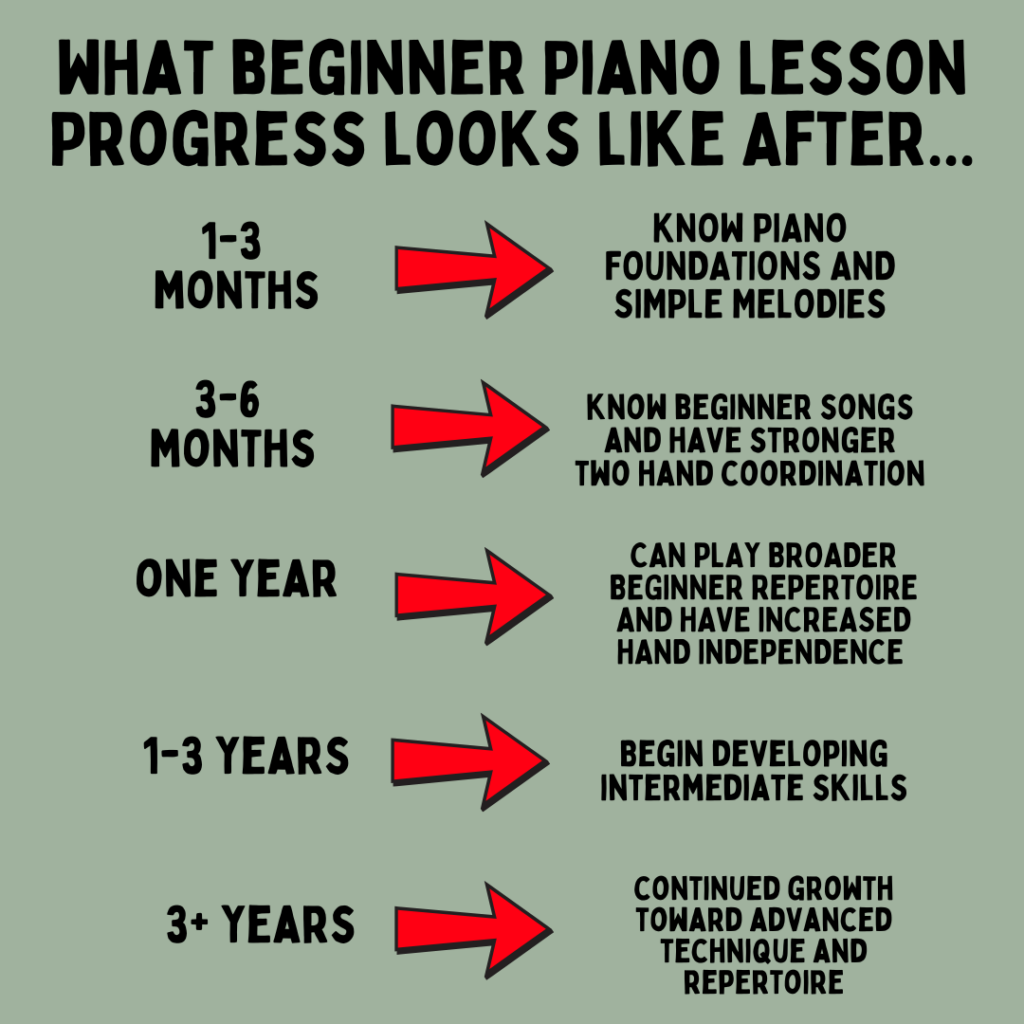
Early Foundational Skills: 1 to 3 Months
Early piano skills include:
- Learning proper posture and hand position
- Identifying notes on the keyboard
- Reading basic musical notation
- Learning simple rhythms
- Playing short melodies
- Beginning to coordinate both hands
- Developing a consistent practice routine
Beginner Level Music: 3 to 6 Months
After 3-6 months of consistent piano practice, students may begin to:
- Play simple songs from beginning to end
- Read beginner-level sheet music
- Coordinate both hands more comfortably
- Recognize common rhythms and musical patterns
- Use basic dynamics and articulation
- Practice with greater independence
This is often when students start experiencing the rewarding feeling of “I can actually play a song!”
Elidi Clark, piano instructor at Neighborhood Music in Colorado, says that during the first six months of lessons, she looks for student’s understanding of basic music theory (different types of notes and how many beats they get), the difference between major, minor, and perfect intervals, and the notes on the grand staff. “I’m also listening to see if my student can have a conversation about the music they’re working on using musical terminology that we have covered. Generally at six months, students are also developing a better ear for the instrument, and they can easily tell me what sounds correct or incorrect, even if they’re not sure where the exact mistake was. I’m looking for students to start building increased levels of awareness, self critique, and correction of minor errors!”
How Good Can You Get at Piano After One Year?
After a year of consistent piano lessons and practice, many beginners can play a range of beginner-to-early-intermediate songs and read sheet music with greater confidence. They can also:
- Play common scales and chords
- Understand basic musical theory
- Practice more independently
- Prepare pieces for informal performances or recitals
Keep in mind that there’s much more to learn about piano after the initial first year! From here, you or your child can advance beyond a beginner piano player to an intermediate or even advanced musician.
How Long Does It Take to Become an Intermediate or Advanced Piano Player?
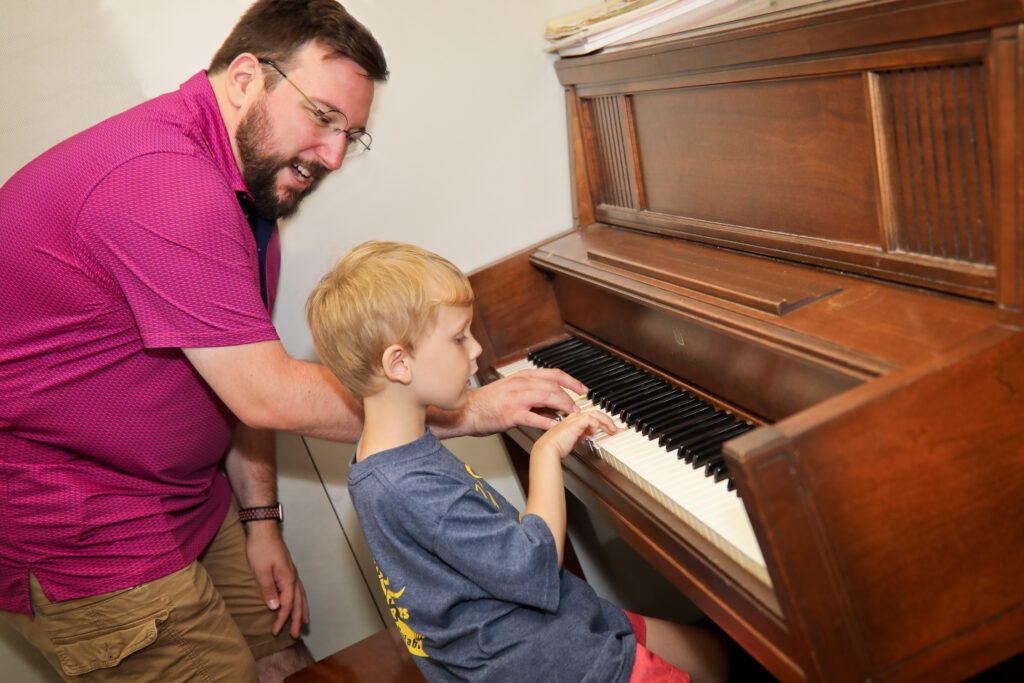
Reaching an intermediate level often takes several years of consistent study, depending on what “intermediate” means for the student. You’ll gain greater hand independence, a larger musical vocabulary, and be able to take on more challenging repertoire that involves more complex rhythms and chord progressions.
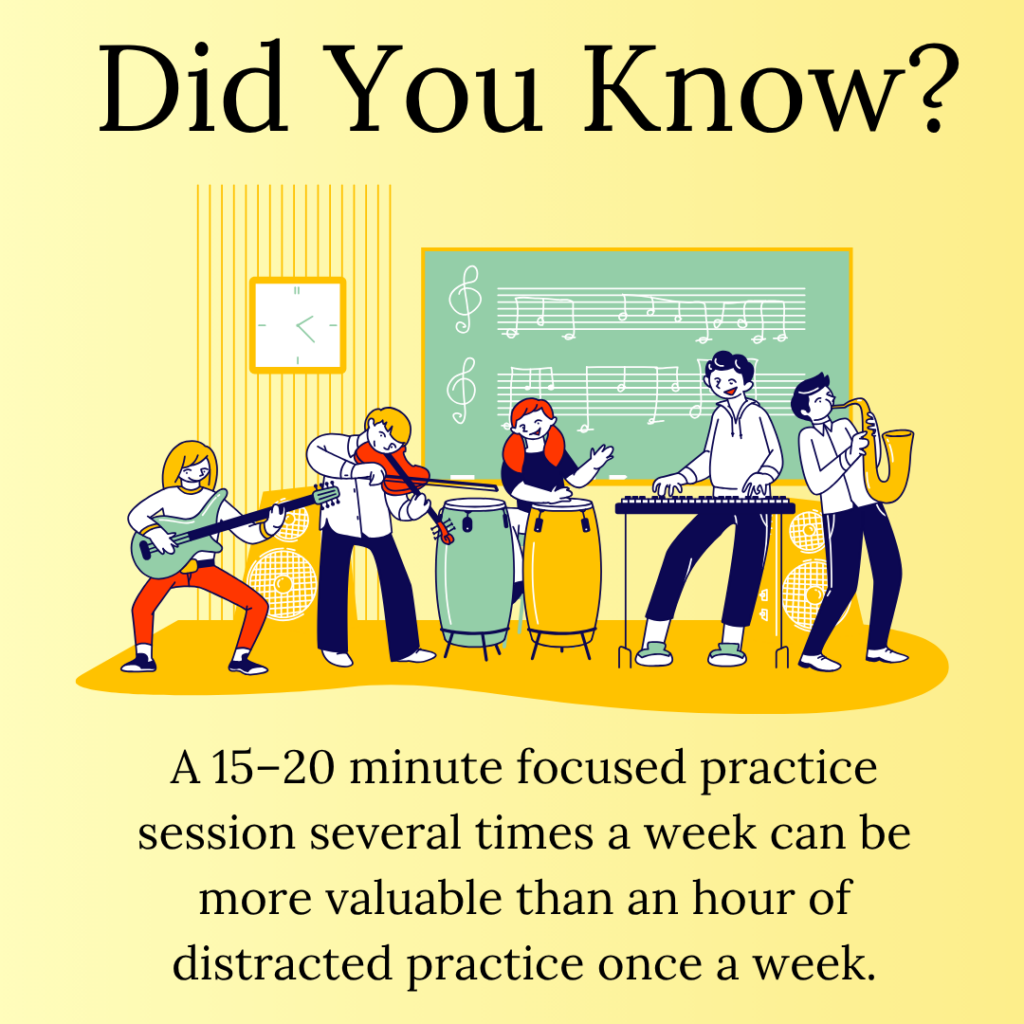
Practicing an instrument does more than help students learn songs. Regular musical training gives children repeated opportunities to develop skills such as auditory processing, coordination, attention, and working memory. Consistent practice also matters more than occasional marathon sessions; younger beginners might benefit from short, focused practiced sessions (15-20 minutes, several times a week), and older children and adults can gradually build longer practice routines, but practicing several times per week will help you progress faster than cramming right before a lesson starts.
What Factors Affect How Quickly You Learn Piano?
There are a few different factors that may affect how quickly a student is able to learn piano, including their age, previous musical experience, and choosing the right music teacher!
Student Age
How old the student is can influence how they approach learning (though, there is no universal “best” age to start music lessons!) When you’re first searching for beginner piano lessons for your child, consider their current:
- Attention span
- Fine motor development
- Ability to follow instructions
- Reading ability
- Motivation
- Previous musical experience
Previous Musical Experience
If a student has previous experience with singing, rhythm, or another musical instrument, that might give them a head start with learning the piano! Remember that complete musical beginners can still absolutely learn piano successfully.
An Experienced Piano Teacher To Guide You
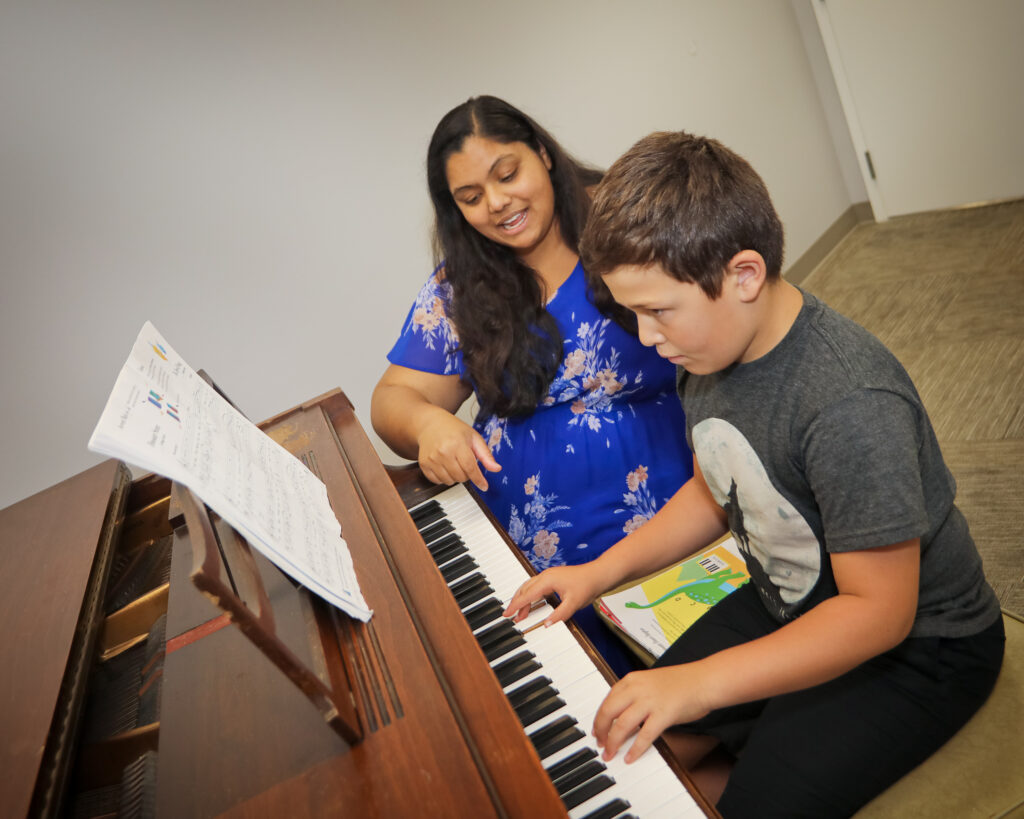
When as student is starting out learning the piano, working with an experienced piano teacher can help:
- Catch technique problems early
- Choose appropriate repertoire
- Adjust lessons to the student’s learning style
- Break difficult skills into manageable steps
- Keep students motivated
- Help families establish realistic practice expectations
What Are the Biggest Myths About Learning Piano?
Myth: You Have to Practice for Hours Every Day
Reality: focused, age-appropriate practice is more realistic for students trying to learn the piano.
Myth: You Should Be Able to Play Difficult Songs Quickly
Reality: advanced repertoire can take weeks or months to master!
Myth: If My Child Struggles, They’re Not Musical
Reality: initial struggle is a normal part of learning an instrument. Continuing to practice regularly and set realistic goals can help students get through the initial frustration of learning a new instrument!
Myth: Progress Should Look the Same for Every Student
Reality: individual learning styles, goals, ages, and experience will all affect how a student progresses in learning the piano
Ready to help your child start building their piano skills at a pace that works for them? Schedule a trial lesson at one of Ensemble Performing Arts’ nationwide locations, and meet our teachers, experience the learning environment, and create a musical path that supports your child’s individual goals!
FAQs About How Long it Takes To Learn Piano
How long does it take to learn piano for beginners?
Simple songs may be possible within a few months while stronger, more independent skills generally take years of consistent study.
Is one year enough to learn piano?
One year of consistent piano practice can establish a strong foundation, but “enough” depends on the student’s goals. Do you want to learn to read music? Do you dream of performing a complicated classical piece? Consider your goals throughout your learning progress!
How often should a beginner take piano lessons?
A consistent lesson schedule and explain why regular instruction helps maintain momentum, and working with an experienced piano teacher can help you progress faster than you would have alone!
Can adults learn piano as quickly as children?
Adults and children have different strengths and challenges, and adults can absolutely make meaningful progress, even if they’re coming to the instrument as a beginner. There is no true shortcut to learning the piano, regardless of student age; consistent lessons, focused practice, appropriate repertoire, and good instruction are the most effective path!
Author: Marisa E. Cardin
Marisa E. Cardin is the Assistant Manager of Neighborhood Music in Aurora, Colorado. She graduated with a Bachelor of Arts in Creative Writing from Metropolitan State University of Denver, Colorado in 2019. She is published in various magazines and chapbooks, including The Flagler Review and Perfume River Poetry. Most recently, she completed and published her sci-fi trilogy, Jax Cassaway and The Shadow Runners, in 2025. When she isn’t writing, she can be found jamming on her alto saxophone or cuddling her four cats. She currently lives in Aurora, Colorado.