


How The First 30 Days Of Music Lessons Determine the Next 3 Years
GET STARTED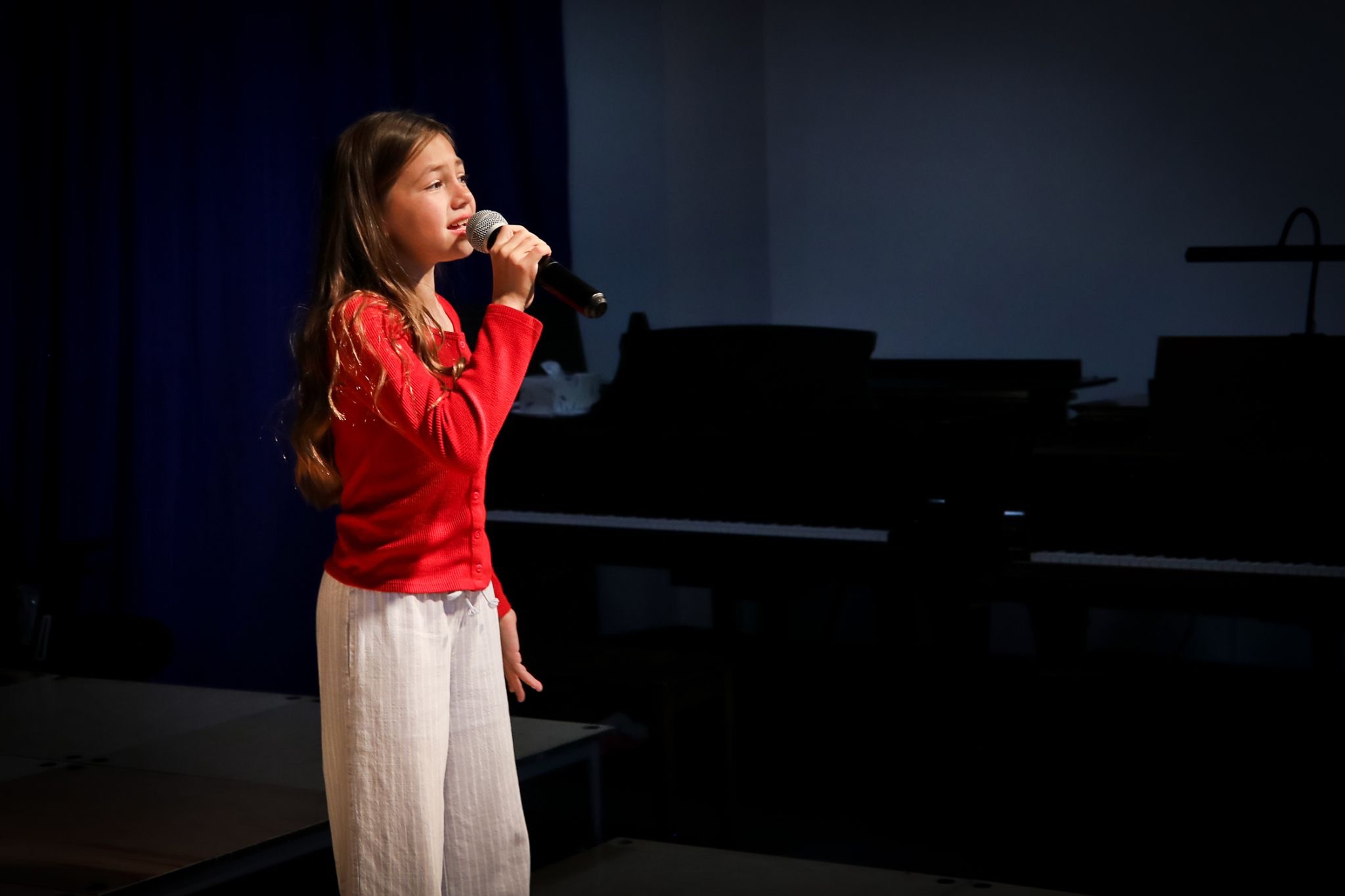
- The First Lesson Is an Emotional High
- Hearing "This Is Hard" Isn't the Danger; "This Isn't for Me" Is
- Don’t Just Observe Their First 30 Days; Design Them
- Build the Touchpoints Around Individual Students
- The 30-Day Review
- What to Do When the Check-In Turns Up a Problem
- What’s The Math in the First Month of Lessons?
- Enrollment Gets Students Through the Door; The First 30 Days Decide If They Stay.
- What Parents Are Asking About the First 30 Days of Music Lessons
The first 30 days of music lessons can set the tone for a student’s entire experience and influence whether they stay enrolled for years or leave within months. This early period is when students and parents decide whether the school feels welcoming, organized, and worth committing to long-term. Music schools spend so much of their time and energy getting parents to say the first “yes” to music lessons. Then, almost immediately after their student’s first lesson, we stop courting them.
But that’s backwards. Retention doesn’t start when a student begins losing interest; it starts the moment they enroll.
The First Lesson Is an Emotional High
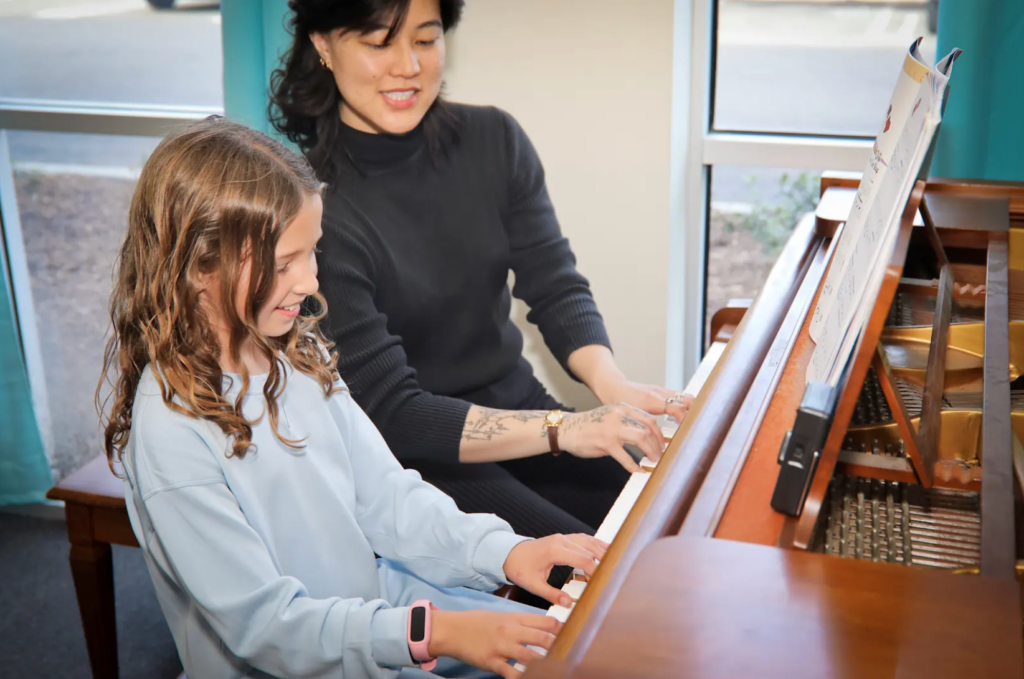
Let’s consider what’s actually going on the day a new student walks in for lesson one.
The parent is picturing the future. Maybe their kid falls in love with music. Maybe they play something for their family at Thanksgiving. Maybe, next semester, they’re up on stage at the school talent show. The parent isn’t just buying lessons; they’re buying a version of the future.
The child is usually some mix of nervous and curious. They don’t have that long-term picture yet. What they do have is curiosity. What they have is a spark, small and fragile. Your job as their new music school is to help that spark grow in their first few weeks of lessons.
Hearing “This Is Hard” Isn’t the Danger; “This Isn’t for Me” Is
A student saying “this is hard” doesn’t mean anything on its own. Learning any musical instrument is hard at the start, and plenty of kids who struggle early stick with it for years.
The danger is when “this is hard” turns into “this isn’t for me.” That’s identity, not difficulty. A struggling kid who still sees themselves as a guitar player is fine. A kid who’s started wondering if music just isn’t their thing has already begun checking out, whether or not you can see it yet in their level of interest or attendance.
Student retention is partly an identity problem. You want the student thinking, “I’m a guitarist’, or “I’m a drummer. I’m musical. Music lessons are something I do.” Once they believe that, you don’t have to talk them into staying, because they already think of themselves as someone who plays.
This shift almost never shows up as a complaint. It shows up as a quiet distance first, then a parent telling you they won’t be re-enrolling in the next season.
Don’t Just Observe Their First 30 Days; Design Them
Most retention advice is about catching problems early. This is fine, but it’s merely reactive. The better move is building the first month so the identity forms in the first place. You won’t have to push for an unengaged student to stay in music lessons, because being a musician is already an important part of their identity.
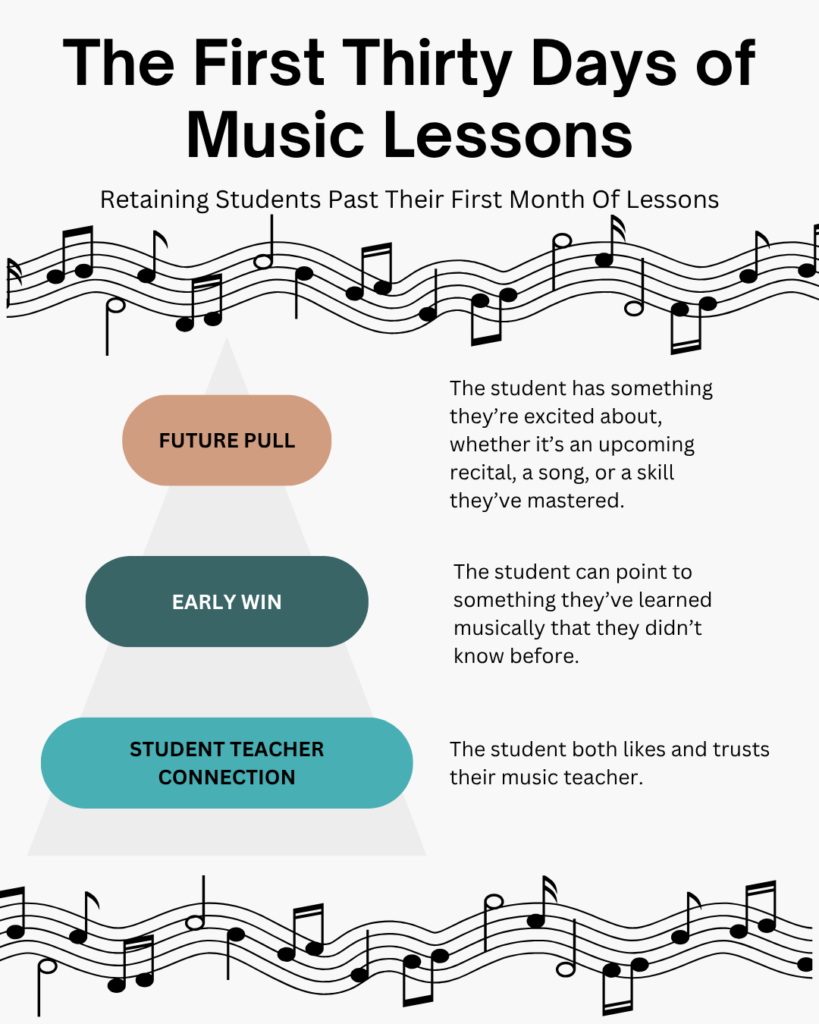
Give teachers three jobs for every new student in the first 30 days, beyond the actual instruction:
- Connection. The kid likes and trusts the teacher. Everything else sits on top of this.
- Early win. The kid can point to something they can do now that they couldn’t do on day one. Doesn’t matter how small.
- Future pull. The kid has something specific coming up they’re excited about, a song, a skill, a moment they can show off what they’ve learned.
Those three things are how a musical identity actually gets built. Don’t measure the first month by how many pages of a method book got covered, measure it by whether the kid feels connected to their teacher, is proud of something they made, and has something to look forward to. Even if that something is just playing for their family after dinner!
Build the Touchpoints Around Individual Students
Once teachers know what they’re building toward, someone at the school still has to check whether it’s working. Most schools have some version of “we try to check in with new families,” but that isn’t a system, that’s just a hope.
Here’s a structure that supports connection, early win, and future pull, with the actual language to use.
Day 1: The Welcome Moment
Send this the night of the first lesson. Not three days later.
“Hi [Parent name], it was great to meet [Student name] today! [Teacher name] mentioned [one specific, genuine detail — ‘she picked up the rhythm exercise really fast’ or ‘he asked great questions about the guitar strings’]. We’re excited to have you both here!”
It’s proof a real person was paying attention, on the day the excitement is at its highest.
Week 2: The Teacher Note
A short, specific observation from the actual teacher, not the front desk.
“Quick note from [Teacher name]. [Student name] has been working on [specific skill] and is making real progress. One thing you could try at home: [one small, easy suggestion].”
This is the early win, put in front of the parent.
Week 3: How Is Music Showing Up at Home?
This isn’t a homework check. You’re not trying to find out if the family is following instructions. You’re trying to find out if music is starting to become part of the kid’s life.
“Just curious, how has music been showing up at home this week? Have they mentioned anything from their lesson, tried playing for anyone, or asked to listen to something?”
A kid mentioning their piano teacher at dinner, showing a sibling something they learned, sitting down at the piano without being told to, tells you more than a practice log ever will.
The 30-Day Review
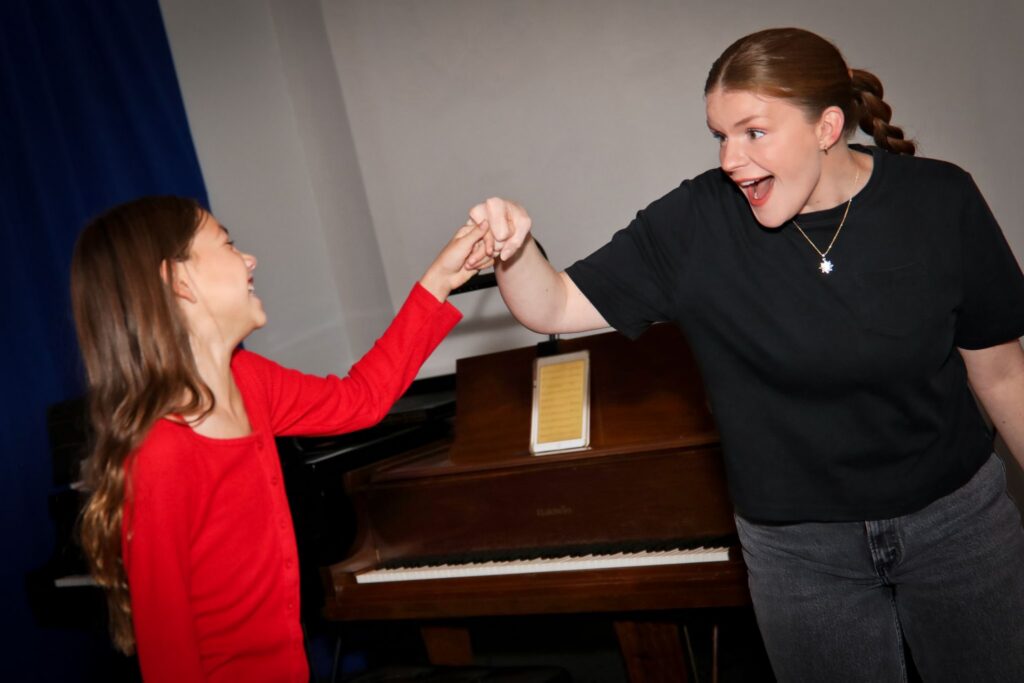
This is the most important check-in in the whole sequence, and it’s the one almost every school skips.
By the end of month one, the new-thing excitement has usually worn off. If connection, early win, and future pull haven’t taken hold, this is when the first real doubts show up, for the parent and the kid.
Make this a phone call if you can. Tone tells you more than words. If a call isn’t realistic at your scale, a short message works, as long as it asks for a real answer instead of yes or no.
“Hi [Parent name], we’re coming up on [Student name]’s first month of lessons, and I wanted to check in personally. A few quick things:
- How does [he/she] feel about lessons so far?
- Have you noticed [him/her] engaging with music at home, playing, talking about it, anything like that?
- Is there anything about the schedule, the teacher fit, or the overall experience we should know about?
“We want this to be something [Student name] genuinely looks forward to, and ‘it’s just okay so far’ is a totally fine answer if that’s where things stand. It’s nice to hear what we’re doing well, but we’re more interested in how we can improve your child’s experience.”
That last line matters. You’re giving the parent permission to say something less than positive. Most won’t volunteer a complaint on their own. They’ll just quietly exit in a few months.
What to Do When the Check-In Turns Up a Problem
If the kid seems bored or checked out: Loop the teacher on that same day, not at the next staff meeting. A different song, a pacing change, gamified learning can pull a kid back before “this is hard” turns into “this isn’t for me.”
If there’s no sign of engagement at home: Don’t just tell them to practice more. Find out what’s actually in the way, no set time, no reminder, homework eating the slot, and fix one small thing, like tying music to a routine that already exists.
If the teacher fit feels off: Handle it fast. A bad teacher-student match in month one, left alone, can quietly push a family out the door without them ever telling you why. Offer a trial with someone else before it sours further. Remember, students who have a strong connection with their teacher continue lessons for longer!
If everything’s fine: Say so and move on. But make the call anyway. Some of the most valuable check-ins are the ones that just confirm you’re on track.
What’s The Math in the First Month of Lessons?
Say a school spends $100 in marketing and staff time to land a student paying $200 a month.
If that student leaves after three months, you collect $600 against that cost. If that student stays three years, you collect $7,200—twelve times as much, off the same $100.
A lot of that gap gets decided earlier than most owners realize, often in the first 30 days, before anyone’s even watching for it. The first 30 days shouldn’t be something your music school simply waits to see how a student handles. With the right structure, you can turn those first few weeks into an opportunity to build connections, celebrate progress, and give students something they’re genuinely excited to work toward.
Enrollment Gets Students Through the Door; The First 30 Days Decide If They Stay.
Great teaching matters, and it’s a big part of what makes connection and early wins possible. But a great teacher can’t fix a problem they don’t know exists. If a family’s doubts don’t reach you until they’re already halfway out the door, no amount of teaching skill saves that student.
Don’t leave that month to chance. Design it.
Ready to create a stronger first-month experience for your students? Connect with Ensemble Performing Arts to learn how thoughtful student engagement can help your music school build lasting relationships with families.
What Parents Are Asking About the First 30 Days of Music Lessons
Why are the first 30 days of music lessons so important?
The first month is when students and parents begin deciding whether music lessons feel welcoming, enjoyable, and worth continuing. This is also when a student can begin developing a sense of identity around music. Creating positive experiences early (like building a connection with the teacher, celebrating small accomplishments, and giving students something to look forward to) can help establish a strong foundation for long-term engagement.
What should a music school do after a student’s first lesson?
A music school should follow up while the experience is still fresh. A personalized message on the first day can show parents that the teacher and staff are paying attention to their child’s individual experience. From there, schools can continue checking in during the first few weeks with specific observations, simple suggestions for home, and questions about how the student is engaging with music outside of lessons.
What if a new student doesn’t seem interested in practicing at home?
Instead of immediately telling the family to practice more, find out what is getting in the way. The student may not have a consistent time for practicing at home, may not know what to practice, or may simply need music to become part of an existing routine. The goal of the first-month check-in is to understand the student’s experience rather than treat practice as a pass-or-fail requirement.
When should a music school check in with a new family?
Schools can create several intentional touchpoints throughout the first 30 days. A welcome message on the day of the first lesson, a teacher observation around week two, and a conversation about the student’s experience around week three can help schools stay connected. A more thorough 30-day review gives the family an opportunity to share what is working and raise concerns before they become reasons to leave.
Author: Dave Simon
Dave Simon is a former music school owner and Business Development Manager at Ensemble Performing Arts. He is also the host of Music Lessons and Marketing – a free Facebook group and podcast that teaches music school owners how to effectively market and grow their business.