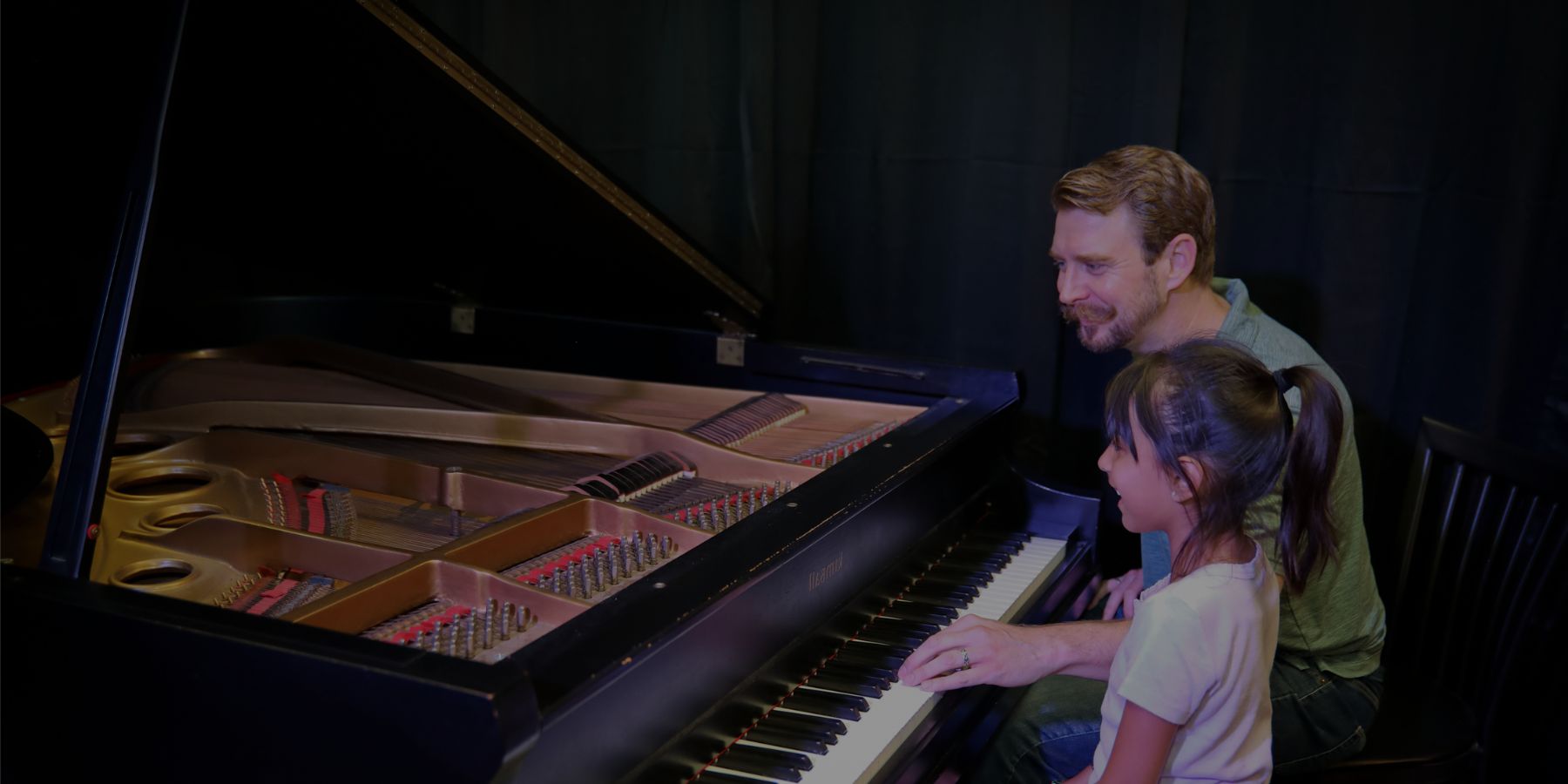


The Benefits of Starting Music Lessons at a Young Age
GET STARTED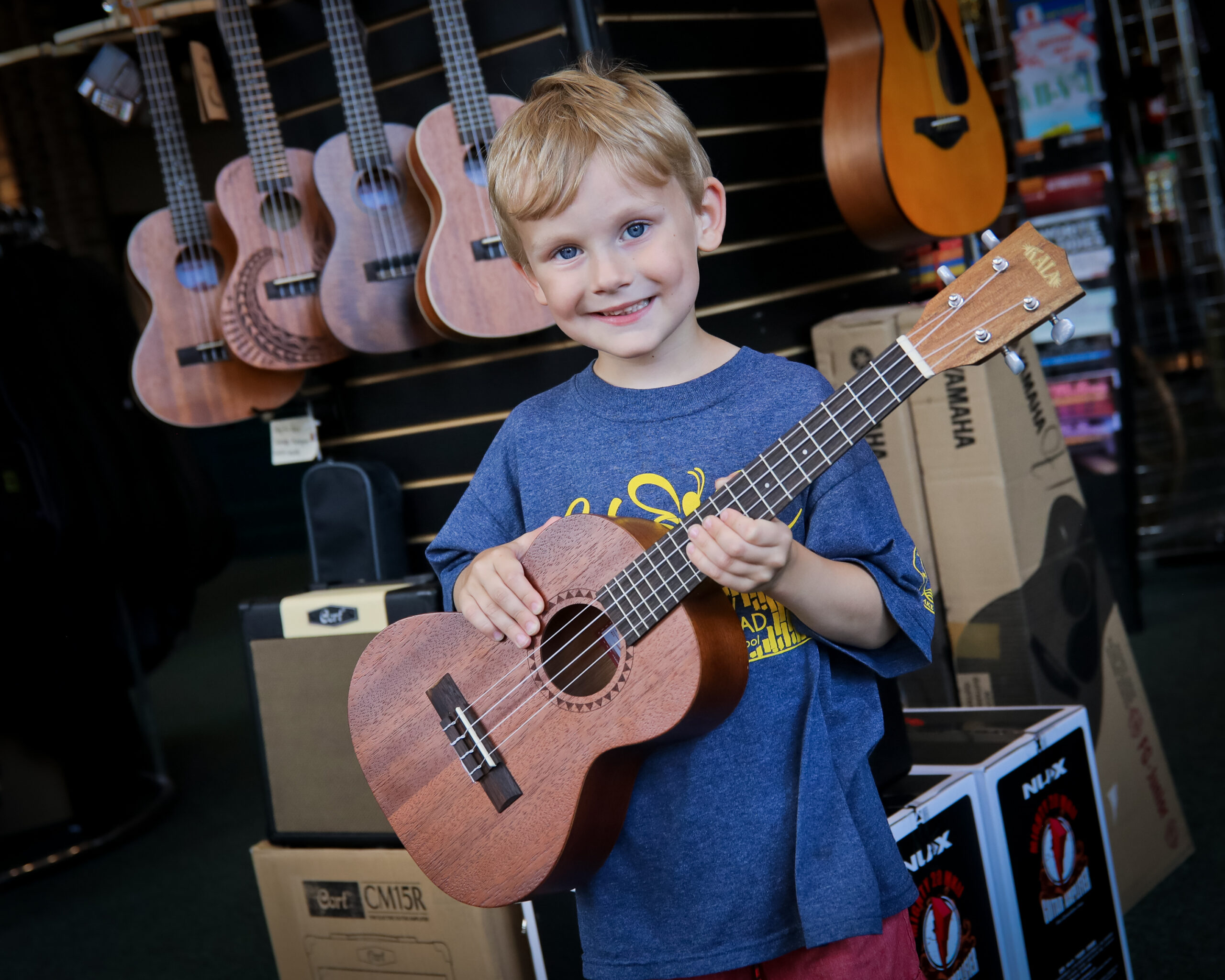
If you’re wondering whether your young child is ready to take on music lessons, you’re not alone! Many parents grew up taking music lessons themselves at a variety of different ages. While it’s important to avoid starting lessons too young, the good news is that early music education does not have to mean pushing a young child into rigorous practice.
Starting music lessons at a young age can help children build foundational skills in listening, coordination, focus, confidence, and self-expression. It also gives them time to become comfortable with their new instruments before they’re expected to dive into more advanced skills. There’s no perfect age to begin music lessons, and what matters most is finding an age-appropriate, supportive learning environment.
- What Are the Benefits of Starting Music Lessons At A Young Age?
- How Does Early Music Education Support a Child’s Development?
- The “Best” Age To Start Music Lessons
- What Should Parents Look for in Early Music Lessons?
- The Benefits of Early Childhood Music Classes
- Starting Music Lessons Early: Will That Help My Child Become a Better Musician?
- Frequently Asked Questions About Starting Music Lessons Early
What Are the Benefits of Starting Music Lessons At A Young Age?
Starting music lessons at an early age offers quite a few benefits, including:
- Building a child’s listening skills
- Supporting their coordination and fine motor skills
- Giving them an outlet for creativity and self-expression
- Creating a positive relationship with music from an early age
Early-childhood music lessons also help establish musical foundations that can support future learning. Learning about music and rhythm can even help kids process speech sounds, which helps grow their vocabulary and get them ready for reading and writing.
How Does Early Music Education Support a Child’s Development?
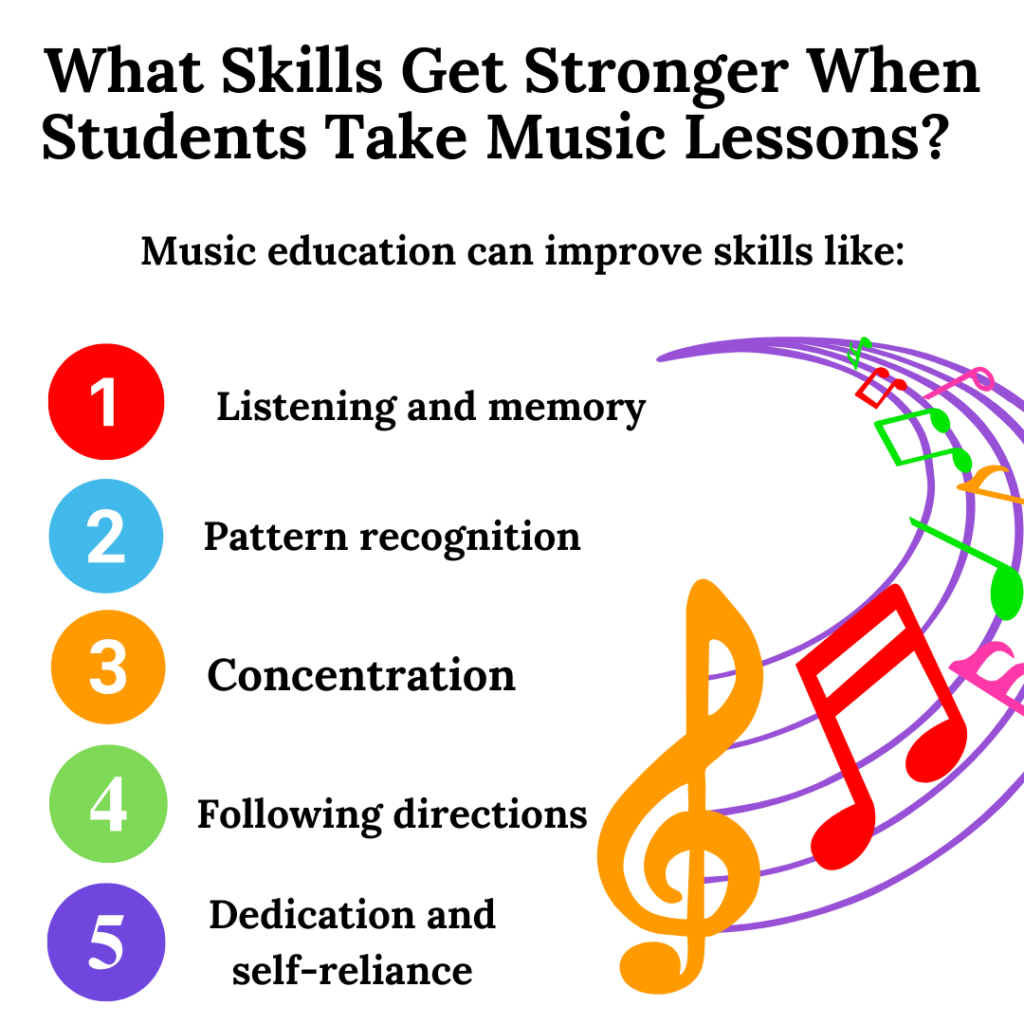
Early music education can support children’s development in several areas. Through age-appropriate lessons and activities, children can build important skills while having fun and exploring music. Taking music lessons at a younger age can help students develop better listening and memory skills, and eventually improve their dedication to learning and their self-reliance skills!
Do Music Lessons Help Children Develop Focus?
Music activities encourage children to listen carefully, follow directions, and stay engaged with a task. For example, children may practice:
- Following rhythms and musical patterns
- Listening for changes in tempo or dynamics
- Remembering and repeating short musical phrases
- Completing activities from beginning to end
Can Music Lessons Improve Coordination?
Playing an instrument requires children to connect what they hear and see with physical movement. Over time, lessons can help children practice:
- Hand-eye coordination
- Fine motor skills
- Following rhythms with physical movements
- Coordinating listening, watching, and playing at the same time
How Can Music Lessons Build Confidence?
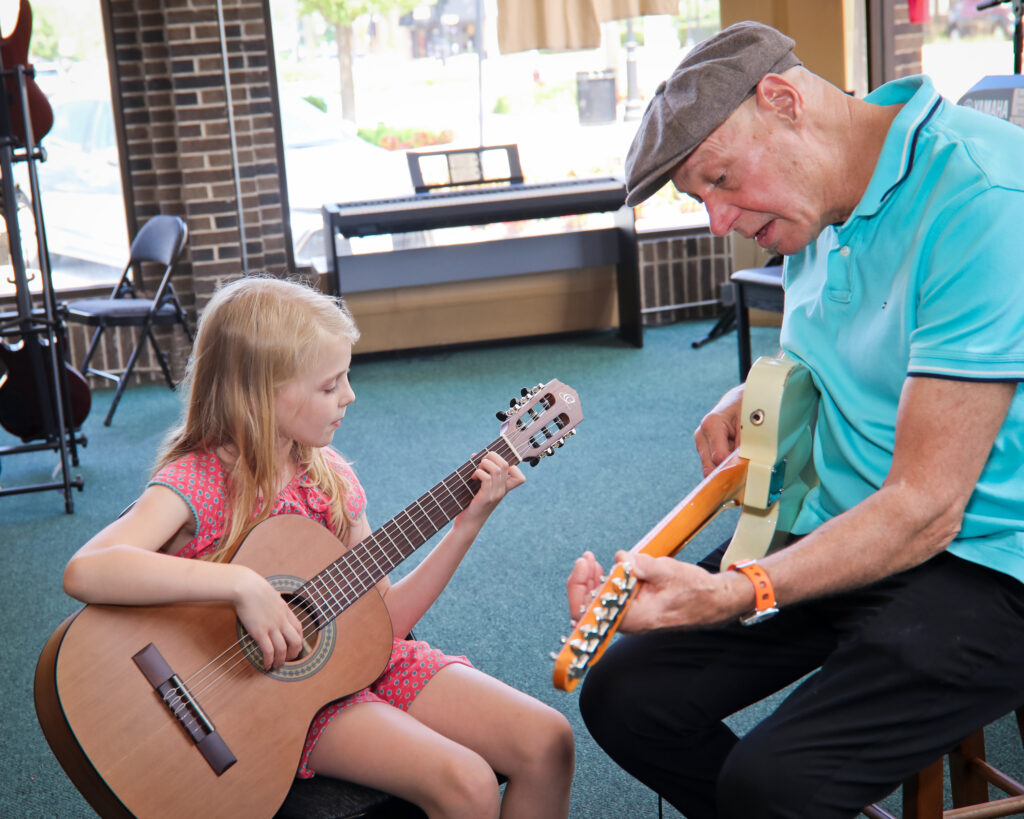
Music lessons give children plenty of opportunities to experience small wins. As they make progress, they can build confidence by:
- Learning a new song
- Mastering a new technique
- Playing a song for family members
- Participating in a recital or group performance
Does Music Encourage Creativity?
Music isn’t just about memorizing notes. Children can also experiment with sound and expression, giving them opportunities to:
- Explore different rhythms and sounds
- Experiment with dynamics and tempo
- Make creative musical choices
- Express their own ideas and personality through music
The “Best” Age To Start Music Lessons
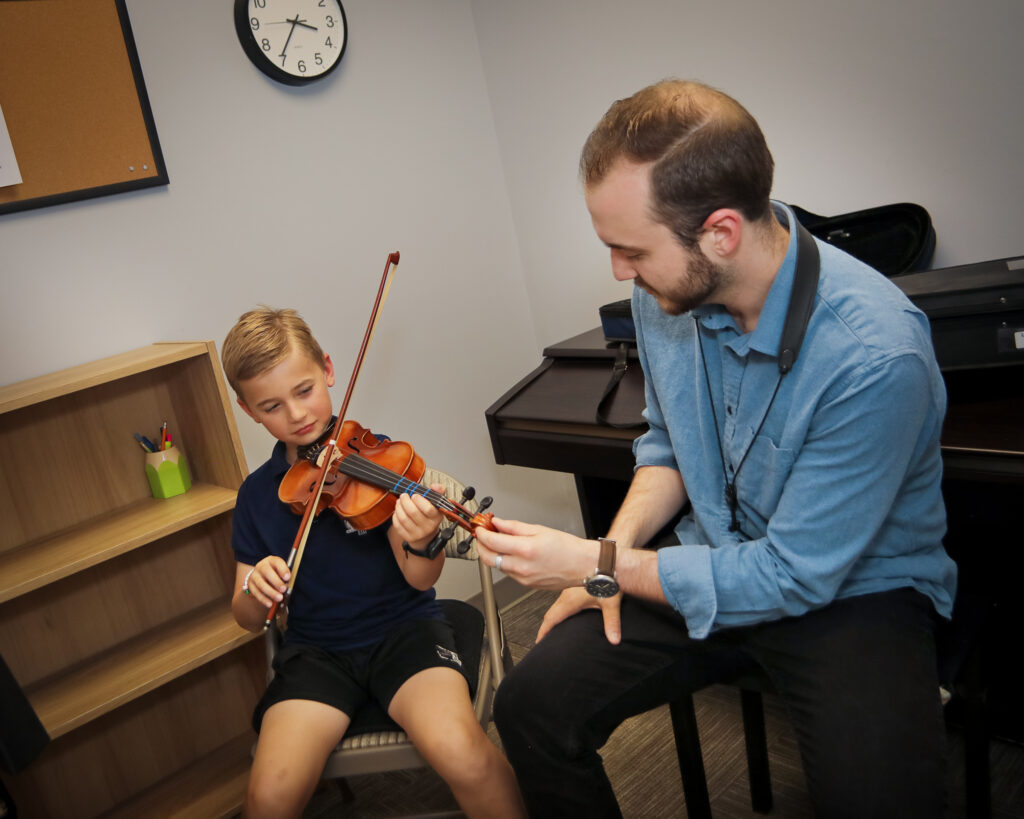
There’s no single “best” age to start music lessons at, and your student’s lessons will look slightly different depending on their age:
- Preschool-aged children may benefit from playful, introductory instruction.
- Elementary-aged children may be ready for more structured instrument lessons.
- Teens and pre-teens can absolutely begin successfully, even if they have never studied music before, and might be ready to jump into harder instruments like saxophone or cello.
Even adults can start music lessons and find benefits!
What Should Parents Look for in Early Music Lessons?
Now that you have a better idea of what age your child should start music lessons at, you can keep an eye on what to look for in the right learning environment for them.
Look for:
- A teacher experienced with young children
- Age-appropriate expectations
- Short, engaging activities
- A balance between structure and play
- Positive reinforcement
- Clear communication with parents
- A school environment where children feel comfortable
Remember, the quality and approach of music lessons matters more than starting off lessons as early as possible.
The Benefits of Early Childhood Music Classes
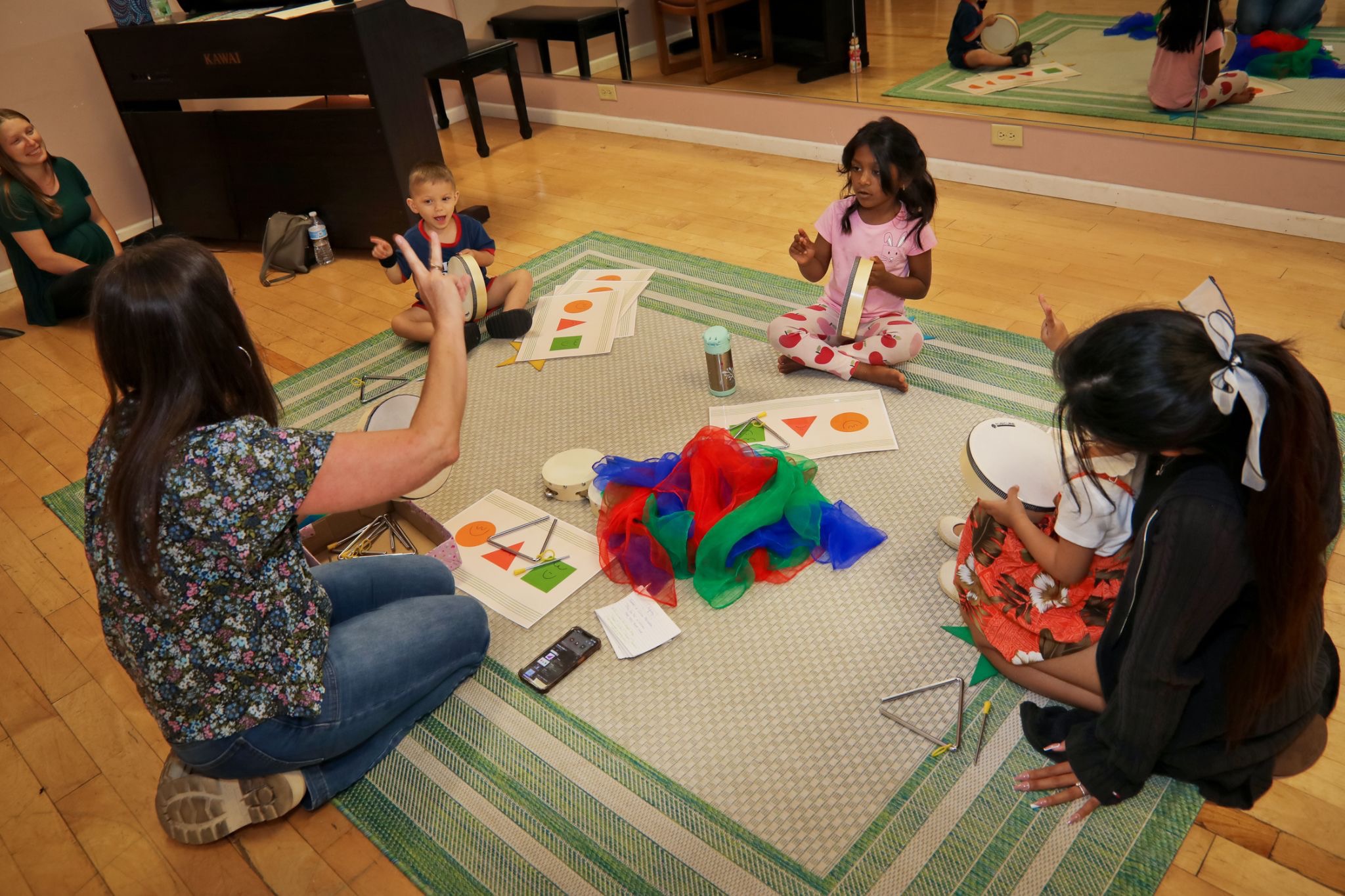
Early childhood music classes can help babies and toddlers build important developmental and musical skills through age-appropriate singing, movement, rhythm activities, and play. Starting music education in infancy and toddlerhood gives children an opportunity to develop listening skills, language, memory, coordination, rhythm, and social skills in a fun, supportive environment. Group toddler music classes also encourage children to:
- Interact with their peers
- Practice taking turns
- Learn to follow simple directions
- Gain confidence expressing themselves through music
These early musical experiences can create a strong foundation for future music lessons, whether a child eventually chooses to learn piano, voice, guitar, or another instrument. Most importantly, introducing children to music at an early age helps them develop a positive relationship with music and makes learning feel natural, playful, and enjoyable from the beginning!

Starting Music Lessons Early: Will That Help My Child Become a Better Musician?
Some parents think that the earlier their child starts lessons, the better off they’ll be as a musician when they’re older. But the truth is that starting early doesn’t guarantee that your child will become an advanced musician. Kids develop at different rates, and starting a child with lessons before they’re ready might make them avoid music lessons in the future.
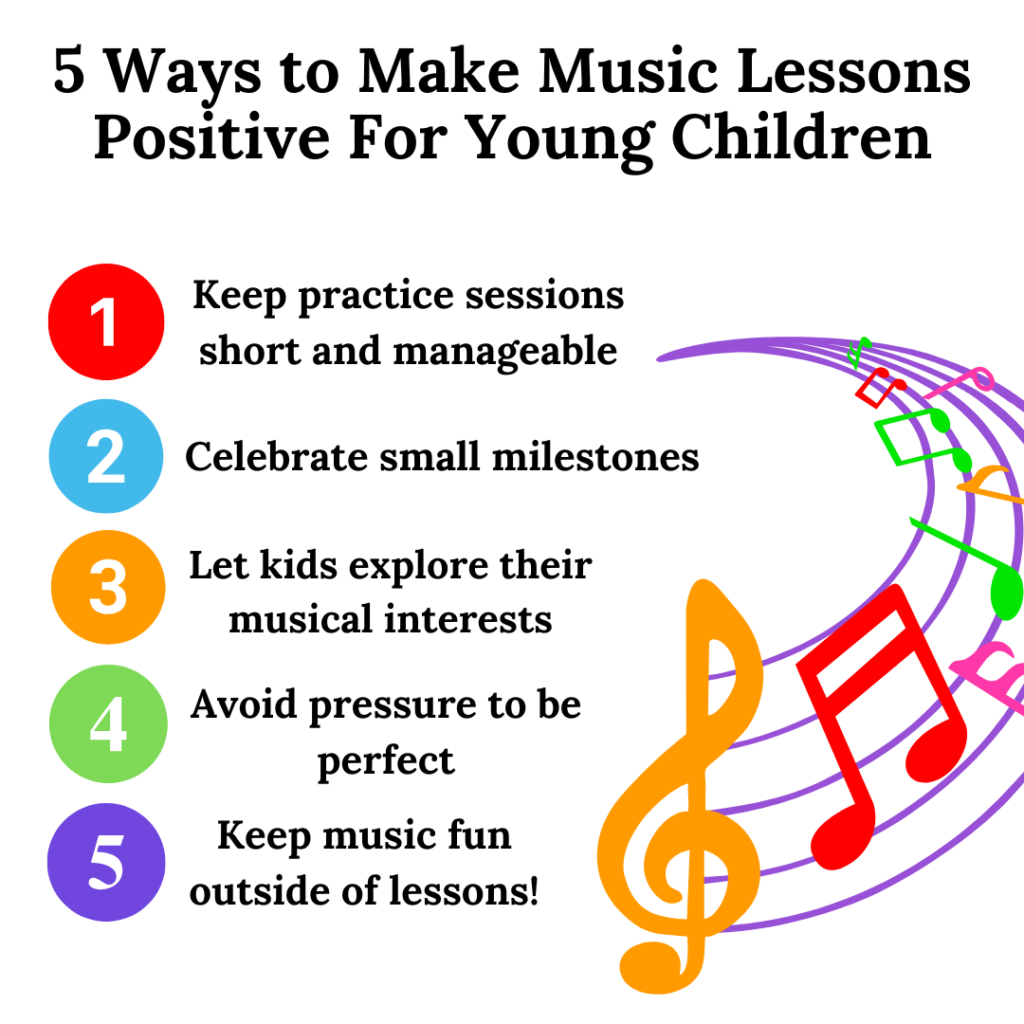
A positive early experience may be more valuable than rushing toward advanced skills, and the goal of early music education should be to build a strong foundation and positive relationship with music, not to turn every young child into a prodigy. To help your child during their early years of music lessons, you can:
- Keep practice sessions age-appropriate
- Celebrate effort rather than perfection
- Let them explore their musical interests
- Ask the teacher how you can support learning at home
- Give children opportunities to perform when they are comfortable
- Pay attention to whether your child feels encouraged and engaged
If you’re ready to start your child off on the right path with early music education, visit Ensemble Performing Arts and explore our beginner music lesson options all across the country!
Frequently Asked Questions About Starting Music Lessons Early
Is 3 or 4 too young to start music lessons?
Not necessarily. Young children can participate in age-appropriate music experiences, although the structure and expectations should be different from lessons designed for older beginners. You can check out toddler music classes for an engaging introduction to music lessons!
What is the best age to start music lessons?
There is no universal best age. The right starting point depends on the child’s age, developmental readiness, interests, and the type of instruction available.
Can a child start piano lessons at age 5?
Yes! Many children can begin piano around this age, and do particularly well when lessons are designed to keep young beginners engaged and comfortable. Ask your music school about doing a trial lesson to better gauge whether your 5 year old is ready for private piano lessons!
Are music lessons good for toddlers?
Music activities can be wonderful for toddlers, but formal instrument instruction may not be the best fit for every child. Look for programs specifically designed around early childhood development.
Can older children start music lessons too?
Absolutely. Starting early can have advantages, but children can begin learning an instrument successfully at many different ages.
Author: Marisa E. Cardin
Marisa E. Cardin is the Assistant Manager of Neighborhood Music in Aurora, Colorado. She graduated with a Bachelor of Arts in Creative Writing from Metropolitan State University of Denver, Colorado in 2019. She is published in various magazines and chapbooks, including The Flagler Review and Perfume River Poetry. Most recently, she completed and published her sci-fi trilogy, Jax Cassaway and The Shadow Runners, in 2025. When she isn’t writing, she can be found jamming on her alto saxophone or cuddling her four cats. She currently lives in Aurora, Colorado.