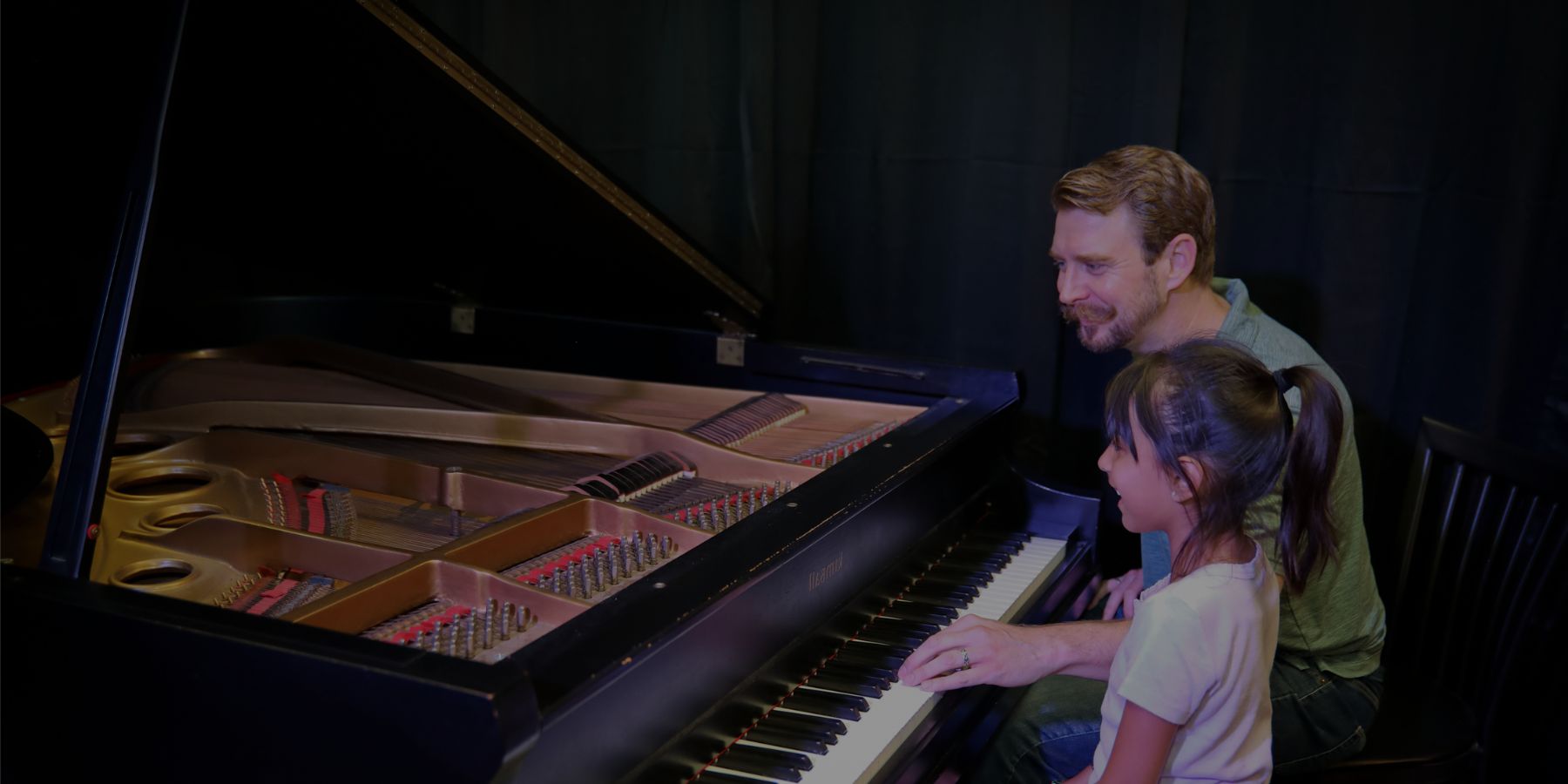


How Dance Lessons Help Kids With Communication and Confidence
GET STARTED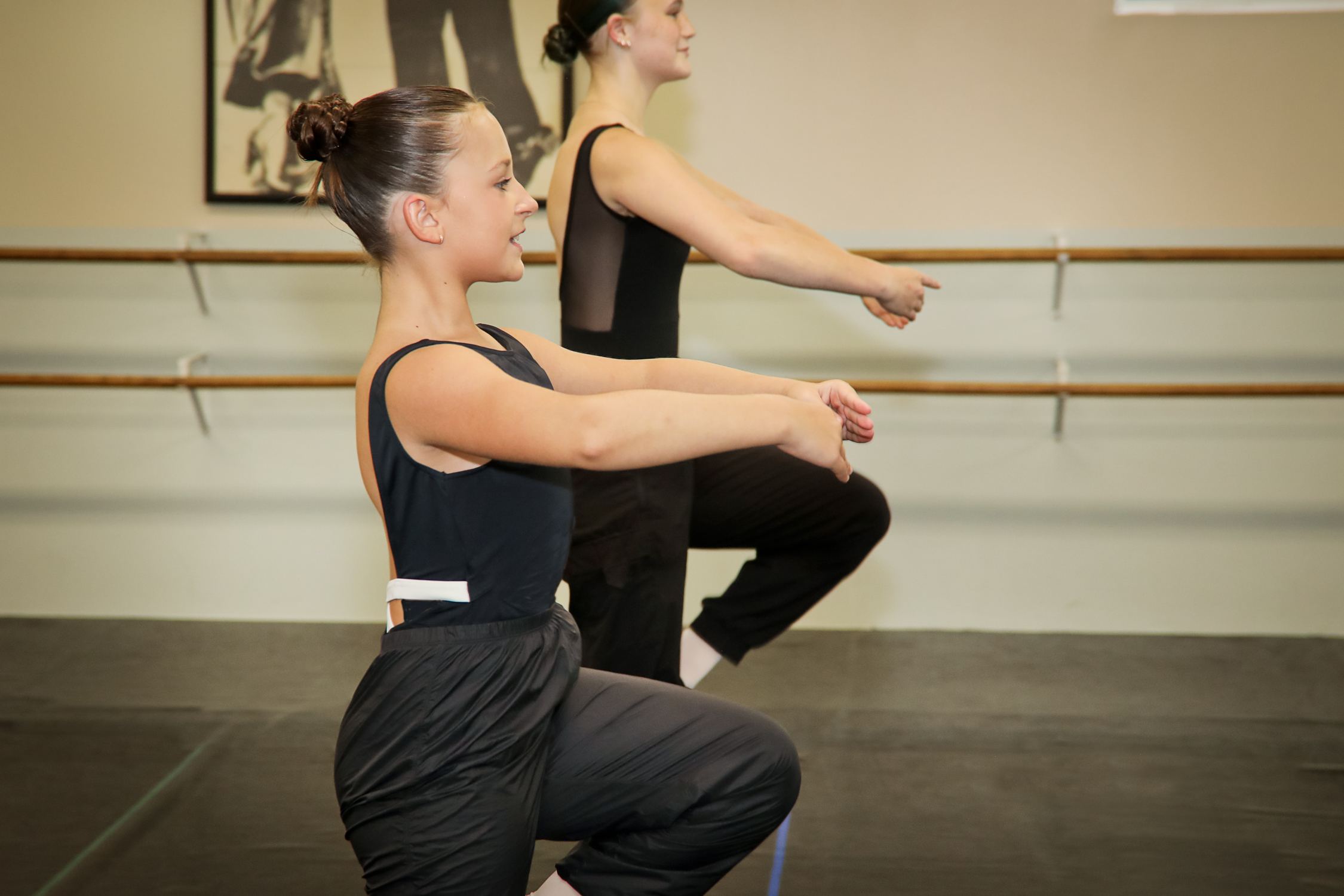
Dance is often thought of as a way for children to stay active, learn choreography, and have fun, but the benefits of dance extend far beyond physical movement. Dance lessons help kids develop communication skills and confidence by giving them opportunities to express themselves, work with others, and overcome challenges in supportive environments.
Whether your child is taking ballet, jazz, hip-hop, tap, or contemporary dance, each class provides valuable opportunities to practice skills that can benefit them in the classroom, at home, and throughout their lives.
- How Do Dance Lessons Improve Communication Skills?
- Can Dance Help Kids Become More Confident?
- How Does Dance Encourage Self-Expression?
- How Does Performing Build Confidence?
- Can Dance Help Kids Develop Social Skills?
- How Does Dance Teach Kids to Overcome Challenges?
- What Parents Are Asking: FAQs About Dance, Communication, and Confidence
- Ready to Build Communication and Confidence Through Dance?
How Do Dance Lessons Improve Communication Skills?
Communication isn’t only about speaking; body language, facial expressions, movement, listening, and the ability to respond to others are all components of communicating. Dance gives children a unique opportunity to practice all of these, often simultaneously.
During dance class, students learn to:
- Listen carefully to instructions
- Follow verbal and visual cues
- Express emotions through movement
- Communicate with classmates
- Respond to music and rhythm
Learning choreography requires children to listen, observe, memorize, and respond. These skills encourage children to become more attentive communicators both inside of and outside the studio.
Can Dance Help Kids Become More Confident?
Yes!
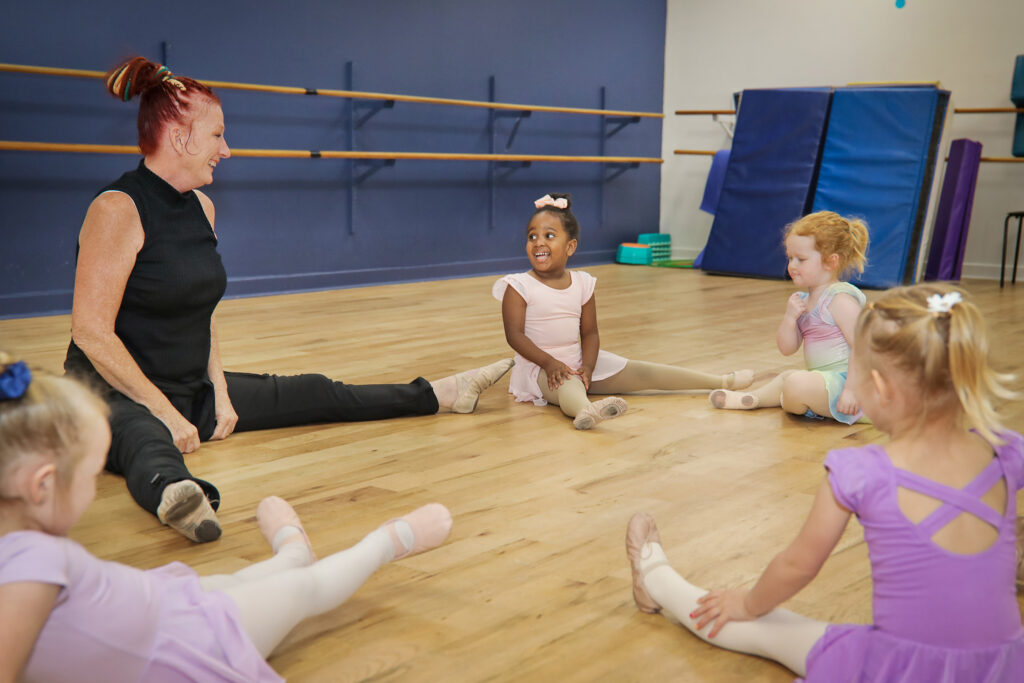
Confidence grows when children are given opportunities to try something new, make mistakes, and discover that they are capable of improving; dance provides these experiences every class.
Learning a new step, or choreography, can be challenging at first. As children practice and eventually master that movement, they experience a sense of accomplishment. Each small success builds confidence and encourages them to take on their next challenge.
Over time, dancers learn that they don’t have to be perfect to be successful. They simply need to be willing to try, practice, and keep going.
How Does Dance Encourage Self-Expression?
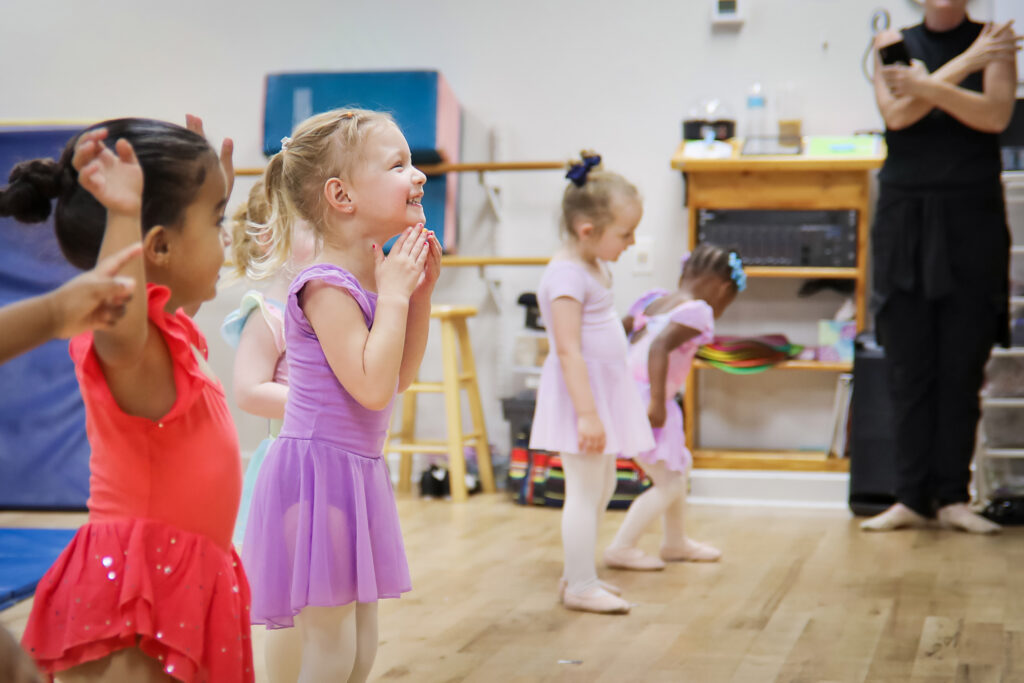
Every child has a unique personality, and dance gives them a creative way to express it.
Through movement, children can communicate emotions and tell stories without saying a single word. They will learn how to perform choreography with different qualities, emotions, and expressions which allows them to discover their own artistic voice.
This freedom of expression can be particularly valuable for children who have difficulty putting their feelings into words. Dance gives them the beautiful language of movement that they can use to communicate with the world around them.

How Does Performing Build Confidence?
Especially for young children, performing can often feel intimidating. Getting on stage in front of an audience requires courage, preparation, and trust in oneself.
Dance recitals and performances give children a safe opportunity to practice these skills. Before ever stepping on stage, dancers are taught how to prepare, manage nervousness, and focus on the task ahead.
Once the performance is over, children experience the pride that comes from accomplishing something that may have once seemed scary, and these experiences can help children become more comfortable speaking in front of their classmates, giving presentations, participating in group activities, and trying new experiences.
Can Dance Help Kids Develop Social Skills?
Yes! Dance classes are also an excellent environment for developing communication and teamwork skills.
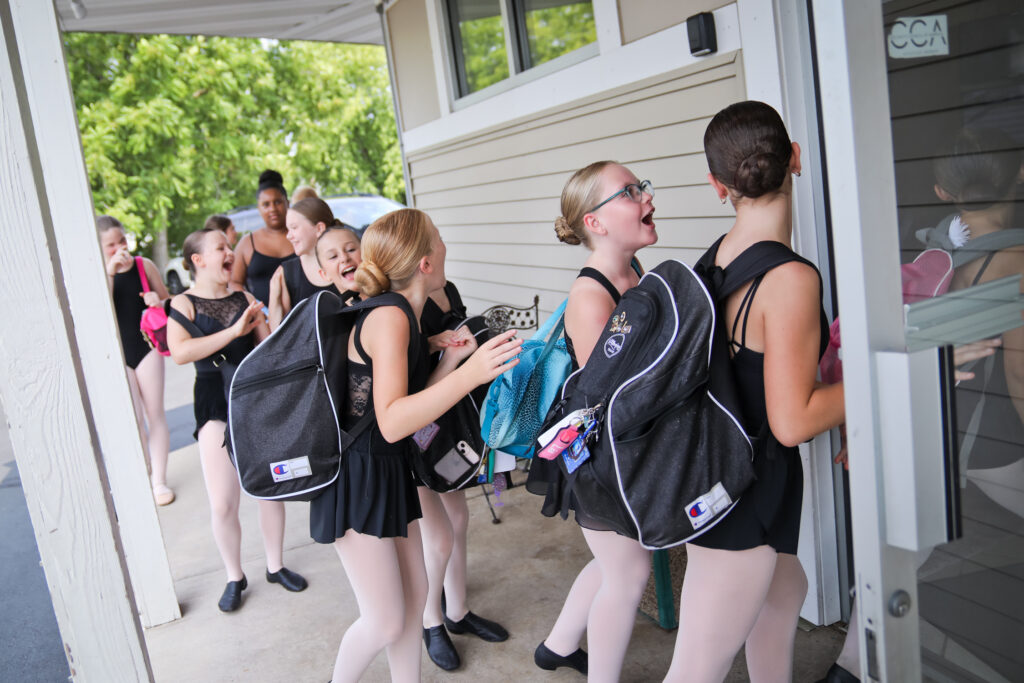
Students share a classroom, learn choreography together, and often work toward a common performance goal. They must learn how to communicate with their classmates, respect personal space, take turns, and support one another.
Working as part of a group teaches children that everyone has an important role. They learn to celebrate their classmates’ accomplishments while also understanding how their individual effort contributes to the success of the entire group. Dance is incredibly team oriented, and these experiences can help children build friendships and become more comfortable communicating with their peers.
How Does Dance Teach Kids to Overcome Challenges?
Dance doesn’t always come easily. A new combination might be difficult to remember, a turn might take months, or even years, to master, and a performance might not go exactly as planned.
These challenges teach children an important lesson: struggling with something doesn’t mean you can’t do it.
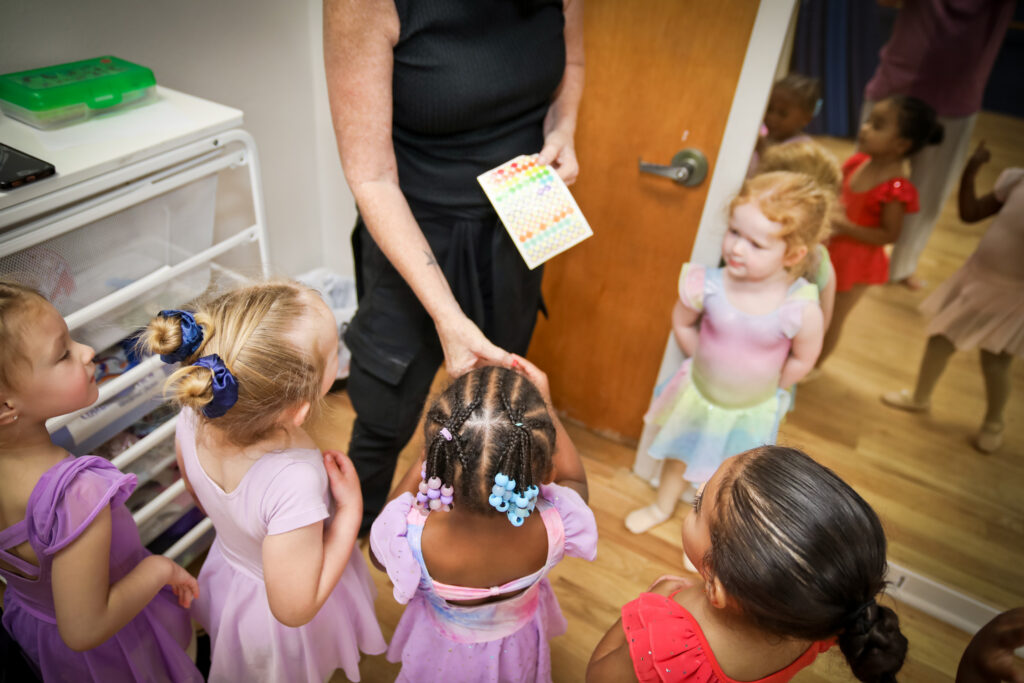
With encouragement and consistent practice, dancers learn to approach challenges with patience and determination, and it allows them to become more comfortable making mistakes and trying again.
This resilience can strengthen confidence far beyond the dance studio, helping children approach schoolwork, sports, friendships, and other new experiences with a more positive, and proactive, mindset.
What Parents Are Asking: FAQs About Dance, Communication, and Confidence
Can shy children benefit from dance lessons?
Dance provides shy children with a supportive environment where they can gradually become more comfortable participating in a group. As they build relationships and experience success, many children become more confident expressing themselves.
Does dance help children communicate without speaking?
Yes! Dance teaches children to communicate through movement, body language, and musicality; these forms of nonverbal communication are valuable skills that children use every day.
How long does it take for dance to build confidence?
Every child is different. Some children become more confident quickly, while others need more time to feel comfortable. Consistent participation, positive encouragement, and celebrating progress can help confidence grow naturally over time.
Ready to Build Communication and Confidence Through Dance?
If you’re looking for an activity that helps your child become more confident, expressive, and comfortable communicating with others, dance lessons are a wonderful place to start. Dance gives children the opportunity to find their voice, connect with others, overcome challenges, and celebrate their accomplishments.
Whether your child is naturally outgoing or a little more reserved, the dance studio can provide a supportive environment where they can grow at their own pace.